 Compte


Your grandmother never owned a dry brush, yet her skin probably looked better than half the before-and-after photos you've scrolled past this week. So why is a $12 bristle brush suddenly the answer to dull, dry skin after 45?
You run it over your legs, hop in the shower, and your skin feels baby-soft for about an hour. Then the tightness creeps back. If dry brushing keeps landing on your feed as the fix, you deserve a straight answer before you buy another one.
Here is the short version. Dry brushing is real exfoliation with real but short-lived perks. It smooths and brightens the surface, but it doesn't detox you, drain your lymph, or erase cellulite. After 45, what you do after you brush matters more than the brushing itself.
Key Takeaways
- Dry brushing is mechanical exfoliation. It lifts dead skin cells and leaves the surface smoother and briefly brighter.
- The glow is temporary. It comes from a short boost in blood flow, not a deep or lasting change.
- Detox, lymphatic drainage, and cellulite claims aren't backed by solid evidence.
- Technique matters after 45. Light pressure, a natural-bristle brush, and only 2 to 3 times a week.
- The real win is aftercare. Brushing strips your skin's oils, so replacing them with a nourishing balm is the step that counts.
What Is Dry Brushing?
Dry brushing is mechanical exfoliation. You sweep a dry, stiff-bristled brush over bare skin, usually before a shower, to lift away dead skin cells and leave the surface smoother.
The practice comes from Ayurvedic tradition, where it's called garshana. Today it's sold as a wellness ritual with a long list of promises, and that's where things get murky.
So let's separate what dry brushing actually does from what it's rumored to do.
What Dry Brushing Actually Does for Your Skin

The honest benefits of dry brushing are exfoliation, a brief glow, and better product absorption. Those are worth having. They're also milder and shorter than the internet suggests.
Here's what you can genuinely expect:
- Smoother texture. Removing dead skin cells buffs off flaky skin and dull buildup, so your skin feels softer right away.
- A temporary glow. The friction can stimulate blood flow near the skin's surface, giving a flushed, lit-from-within look that fades within a short time.
- Better absorption. With dead buildup cleared, your moisturizer sinks in more evenly instead of sitting on top.
Cleveland Clinic notes the mechanical action is good for exfoliating rough, dry skin. The same dermatologist is clear that some dry brushing claims are true and some aren't, which is exactly the line we'll walk through next.
Why Mature Skin Reacts Differently
After 45, dry brushing helps more but forgives less. Skin cell turnover slows with age, so the dead-cell buildup that dulls your skin hangs around longer. A little skin exfoliation goes a long way here.
The catch is that mature skin is also thinner and slower to repair than normal skin. Dr. Tina Alster, a dermatologist at Georgetown, explains that young skin renews itself on its own, while cells grow stickier with age, so gentle exfoliation helps lift dull buildup. Her caution is to keep it gentle and infrequent, or you can do more harm than good.
Dry Brushing and Lymphatic Drainage: What the Evidence Says
There's no solid proof that dry brushing drains your lymph or helps eliminate toxins. This is the biggest oversell in the whole trend, so let's be clear about it.
The idea is that brushing toward the lymph nodes moves fluid through your system. The problem is that real lymphatic drainage is a clinical massage done by trained therapists, and a home brush isn't the same thing.
No scientific research backs dry brushing for lymphatic drainage. The things that genuinely support your lymphatic system are movement and exercise, like walking, jogging, and swimming, not a brush. Your body already clears waste on its own. Source: GoodRx, medically reviewed, 2023
The cellulite claim fails the same way. Dry brushing can plump skin briefly so the appearance of cellulite softens, but that's circulation, not real cellulite reduction. There's no scientific evidence it can eliminate cellulite, which dermatologists have said plainly for years.
How to Dry Brush the Right Way
Good technique is light, quick, and always on dry skin. You're buffing the surface, not scrubbing a pan. Here's how dry brushing should go:
- Start at your feet and brush upward in long, fluid strokes.
- Use sweeping motions in circles on your stomach and back.
- Keep the pressure light. A few overlapping swipes per area is plenty.
- Brush before you shower, then rinse off the loosened dead cells. Hot water afterward can dry you out, so keep it warm.
- Avoid brushing your face. Facial skin is thinner and better served by a scrub made for it.
Treat your skin barrier gently and ease off the moment skin turns pink.
Choosing the Right Brush
Pick a natural-bristle brush, and match the firmness to your skin. A natural bristle brush with a long handle reaches your back and other hard-to-reach areas without straining.
If you have sensitive skin or thinner mature skin, size down to a softer brush or even a dry washcloth. Firm enough to exfoliate, soft enough to not scratch.
How Often Should You Dry Brush?
For most people, 2 to 3 times a week is enough. If your skin leans dry, once a week is smarter, and dry skin brushing should always be followed by moisturizer.
Daily brushing isn't necessary and often backfires. Excessive dry brushing can lead to skin irritation or micro-tears, which is the opposite of what you want after 45. Clean your brush regularly and let it dry completely between uses, since a damp brush holds bacteria.
Mistakes and Safety: When to Skip Dry Brushing
If brushing leaves lasting redness or stinging, you're overdoing it. Dry brushing can cause skin irritation and redness when the pressure is too firm or too frequent, and mature skin shows that strain faster.
You should avoid dry brushing over sensitive areas and skip it entirely if you're dealing with:
- Eczema, psoriasis, or rosacea, since dry brushing may worsen these conditions
- Broken skin, cuts, scrapes, sunburns, or infections
- Moles, warts, or raised bumps
When too much exfoliation irritates your skin, the fix is supporting the barrier, not pushing through. If you want the natural route, here's how to repair skin barrier naturally without harsh actives.
Many people also reach for retinol or acids to speed up turnover and collagen production. They can work, but on thinner post-45 skin they often bring flaking, stinging, and redness that takes weeks to settle. That's why the gentlest effective step is usually the smartest one.
The Step That Matters Most: What to Put On After Dry Brushing

Dry brushing strips your skin's natural oils, so replacing them right after is the real win. Brushing opens the door. What you apply next decides whether your skin looks nourished or just raw.
This is where a waterless balm earns its place. Most lotions are mostly water, which flashes off fast and leaves skin tight again by mid-morning. A balm built on oils and beeswax sinks into freshly brushed skin and stays. Here's what waterless skincare means and why it suits drier mature skin.
The Ultra Nourishing Arctic Botanicals Body Balm was made for this exact moment. On freshly brushed skin, it:
- Replaces stripped oils with sunflower and sweet almond oils that soften the tight, raw feeling.
- Seals in moisture with beeswax, a botanical the brand's own testing linked to more moisturized skin for 92% of users after two weeks.
- Calms post-brush redness with calendula and chamomile, long used to soothe freshly exfoliated skin.
To use it, warm a small amount between your hands right after you rinse, while your skin is still slightly warm, and massage it into your legs, arms, and chest. A little goes a long way. It's part of Frøya's natural body care balms, all waterless and built for skin that needs oils back, not more water.
Dry Brushing and Natural Aftercare: The Honest Takeaway for Mature Skin

Dry brushing is worth it as a gentle exfoliation habit with a quick glow, not as a cure-all. Keep it light, keep it a few times a week, and skip the detox and cellulite promises.
The real difference after 45 shows up in the two minutes after you brush, when you feed your skin the botanical oils it lost. A natural, waterless balm does that better than anything water-based. That's the habit worth keeping.
You don't have to take our word for it. The before-and-after photos below come from women using Frøya's Arctic botanicals on dry, stripped, and irritated skin.
For more like these, you can read their real customer skin results and see what a few weeks of consistency looks like.
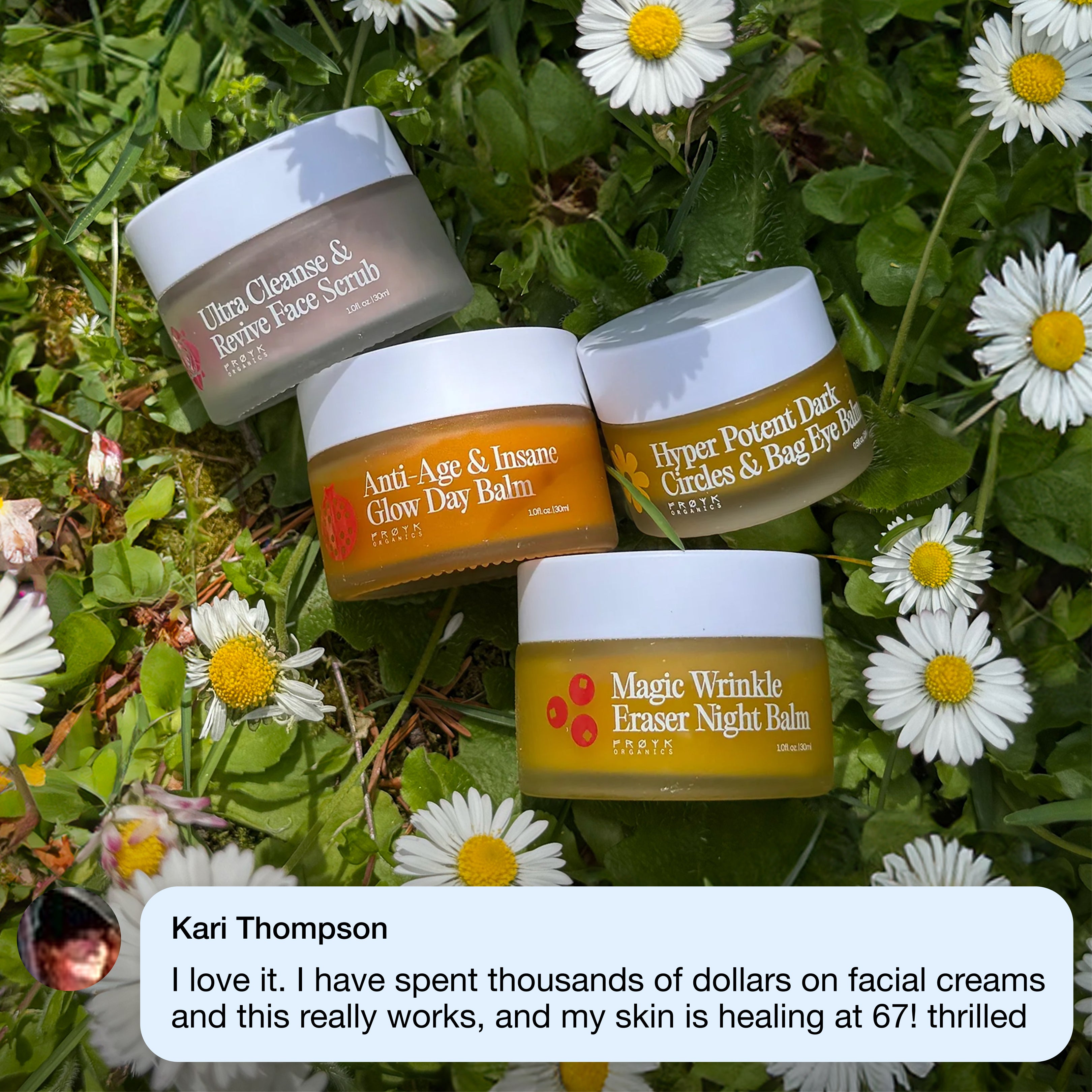
Wild Arctic botanicals and organic beeswax in a waterless four-step routine. The perfect follow-up to dry brushing, replacing stripped oils with lipids your skin recognizes. Backed by a 60-day money-back guarantee.
Shop the System TodayThis article is for general information only and isn't medical advice. Dry brushing isn't right for everyone, so check with a dermatologist before starting if you have a skin condition or any concerns. Stop if your skin becomes irritated or inflamed.
Questions Fréquemment Posées
Do you dry brush before or after a shower?+
How often should you dry brush your skin?+
How do you dry brush skin for lymphatic drainage?+
Why do I feel weird after dry brushing?+
What should you put on your skin after dry brushing?+