 Account


Wenn Sie schon einmal in einem Geschäft zwei Flaschen verglichen haben, eine mit der Bezeichnung "Ringelblumenöl" und die andere "Ringelblumenöl", sind Sie nicht allein. Das Verständnis dafür, welche Ringelblumenöl-Vorteile Ihre Haut tatsächlich bringt, beginnt damit, dieses Benennungsrätsel zu klären.
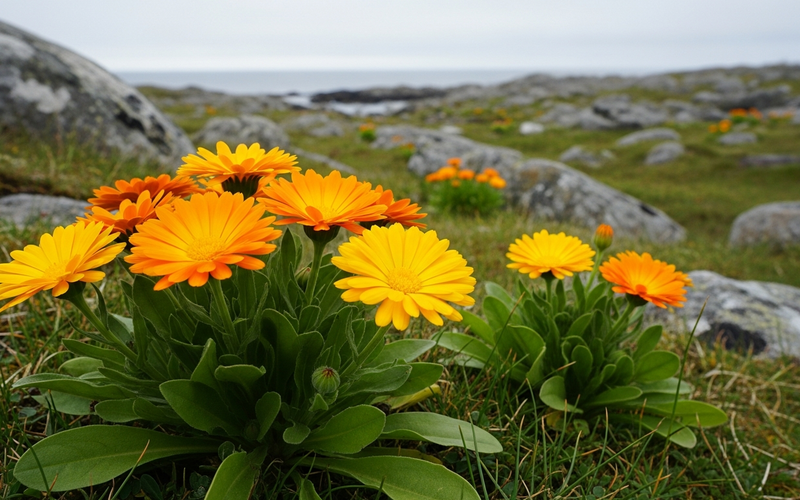
In der britischen und europäischen Kräuterkunde hat "Ringelblume" historisch Calendula officinalis bedeutet, die Gartendistel, die seit Jahrhunderten in Medizin und Hautpflege verwendet wird. Diese Pflanze hat ihre Wurzeln in der europäischen Kräutertradition, die bis mindestens ins 12. Jahrhundert zurückreicht. Die Zierpflanze Tagetes-Ringelblume gehört zu einem völlig anderen Genus und hat keine Geschichte in der Hautpflege. Wenn Sie "Ringelblumenöl" auf einem Hautpflegeetikett im Vereinigten Königreich sehen, bezieht es sich fast immer auf Ringelblume (Calendula). Schauen Sie auf der INCI-Liste nach "Calendula officinalis", um sicherzustellen.
Drei verschiedene Produkte tragen diesen Namen. Kaltgepresstes Ringelblumenöl, das Thema dieses Artikels, wird hergestellt, indem getrocknete Ringelblumenchrystalpen vier bis sechs Wochen lang in kaltgepresstem Trägeröl bei Raumtemperatur eingeweicht werden, ohne Wärme anzuwenden. Das kaltgepresste Trägeröl und der Kaltmakerationsprozess zusammen bewahren das vollständige Spektrum wärmempfindlicher Bioinaktiver: Quercetin, Luteolin, Faradiol und Carotinoide. Kaltgepresstes Samenöl ist ein anderes Produkt, das direkt aus Ringelblumensamen gepresst wird und reich an einer einzigartigen Fettsäure namens Calendinsäure ist, aber das breitere Aktivprofil der Blume nicht hat. Ätherisches Öl ist ein flüchtiges Aroma, das hauptsächlich in der Aromatherapie verwendet wird. Kaltgepresstes Ringelblumenöl ist die Form, die für reife Haut am besten geeignet ist - es liefert konzentrierte, thermisch intakte Pflanzenwirkstoffe in einer biologisch verfügbaren Lipidbase.
Warum spielt dieser Inhaltsstoff eine Rolle, wenn die Haut reift? Starke Wirkstoffe wie Retinoide liefern Ergebnisse, aber oft auf Kosten von Reizungen. Die acht folgenden Vorteile erklären, warum Ringelblumenöl einen Platz in einer reifen Hautpflege-Routine verdient.
1. Unterstützt die Kollagenproduktion, wenn Ihre Haut es am meisten braucht
Mit 50 Jahren haben Sie etwa ein Viertel Ihres Hautkoliagens verloren. Die Inhaltsstoffe, die am besten dafür bekannt sind, es wieder aufzubauen - Retinoide, Glykolsäure, Vitamin C in hohen Konzentrationen - haben oft einen Preis: Reizung, Trockenheit oder Abschuppung. Für Haut, die bereits dünner und reaktiver ist, kann sich dieser Kompromiss wie ein Verlustgeschäft anfühlen.
Die Ringelblume bietet einen anderen Ansatz. Forschungen von Parente et al. aus dem Jahr 2012 in Evidence-Based Complementary and Alternative Medicine zeigten, dass die Ringelblume die Fibroblastenaktivität und Keratinozytenproliferation stimuliert. Fibroblasten sind die Zellen, die für die Produktion von Kollagen und Elastin, den beiden Proteinen, die der Haut ihre Struktur und Spannkraft geben, verantwortlich sind. Durch die Anregung dieser Zellen, härter zu arbeiten, unterstützt die Ringelblume die eigenen Reparaturmechanismen der Haut, anstatt sie mit künstlicher Intervention zu überschreiben.
Das Besondere für Frauen über 45 ist die Kombination aus Wirksamkeit und Sanftheit. Der Kollagenverlust ist kumulativ, und der Rückgang beschleunigt sich nach der Menopause. Die Ringelblume bietet Kollagenunterstützung ohne die Barrierebeeinträchtigung, die Retinoide für empfindliche oder dünner werdende reife Haut so schwer zu tolerieren macht. Die zertifizierte Krankenpflegefachkraft Donna McIntyre hebt die fibroklasten und angiogenen Eigenschaften der Ringelblume als Schlüssel zu ihrer Fähigkeit, beide Entzündungs- und Zellwachstumsphasen der Hautregeneration zu beeinflussen.
Wenn Retinoide Ihre Haut rot und schuppig machen, ist Ringelblumenöl ein sanfterer Begleiter. Verwenden Sie es neben einem niedrig dosierten Retinoid, um Reizungen abzufedern, oder allein, wenn Ihre Haut Retinoide überhaupt nicht vertragen kann.
2. Beruhigt Entzündungen und Rötungen, ohne Ihre Haut auszutrocknen
Die Verbindung Faradiol in der Ringelblume hemmt das gleiche COX-2-Enzym, auf das Ibuprofen abzielt. Der Unterschied? Bei topischer Anwendung liefert es lokale Erleichterung ohne systemische Nebenwirkungen.
Faradiol ist ein Triterpene-Alkohol, einer der am besten erforschten aktiven Verbindungen der Ringelblume. Es hemmt pro-entzündliche Zytokine, besonders TNF-alpha, und unterdrückt COX-2, wodurch Schmerz, Rötung und Schwellungen auf zellulärer Ebene reduziert werden. Eine Studie von Silva et al. aus dem Jahr 2021 bestätigte die entzündungshemmende Aktivität von Calendula officinalis Blütenextrakt mit Ergebnissen, die für Erkrankungen wie Psoriasis relevant sind.
Die Verbindungen der Pflanze arbeiten als Team. Saponine reinigen sanft, ohne die natürlichen Öle der Haut zu entfernen, während Triterpenoide die zugrunde liegende entzündliche Reaktion beruhigen. Flavonoide bieten Antioxidansunterstützung und räumen freie Radikale auf, die weitere Entzündungen auslösen. In-vitro-Studien haben auch antibakterielle Aktivität der Ringelblume gegen Staphylococcus aureus und antimykotische Aktivität gegen Candida-Arten nachgewiesen, die helfen, ein gesundes Hautmikrobiom zu erhalten.
Beste für: Rötungsanfällige, reaktive oder rosazeaähnliche Haut. Überspringen Sie, wenn Sie eine bekannte Allergie gegen Asteraceae haben (Ragweed, Kamille, Echinacea, Gänseblümchen). Testen Sie auf Ihrer inneren Unterarmhaut sieben bis zehn Tage, bevor Sie es auf Ihr Gesicht auftragen.
3. Repariert und verstärkt die Hautbarriere, wenn sie mit dem Alter schwächer wird
Das straffe, papierartige Gefühl nach dem Reinigen ist keine normale Trockenheit. Es ist Ihre schwächer werdende Hautbarriere, die Feuchtigkeit schneller verliert, als sie sie halten kann.
Das Stratum corneum, die äußerste Schicht Ihrer Haut, verlässt sich auf ein genaues Gleichgewicht von Lipiden: Ceramiden, Fettsäuren und Cholesterin. Mit dem Alter werden diese Lipide verbraucht, wodurch mikroskopische Lücken in der Barriere entstehen. Hormonelle Verschiebungen während der Perimenopause und Menopause beschleunigen diesen Ceramidverlust, weshalb die Haut von Ihren Anfang 40ern an oft dramatisch trockener wird. Feuchtigkeit entweicht durch diese Lücken, und Reizstoffe dringen leichter ein.
Ringelblumenöl arbeitet an zwei Fronten. Erstens bietet die Trägeröl-Basis Linolsäure und andere essentielle Fettsäuren, die physisch Lipidlücken in der Barriere füllen. Das genaue Fettsäureprofil hängt vom verwendeten Trägeröl ab; Jojoba, Sonnenblumen und Olive sind am häufigsten, also überprüfen Sie die INCI-Liste, um den Bedarf Ihrer Haut anzupassen. Zweitens unterstützen die aktiven Verbindungen der Ringelblume, Flavonoide und Triterpenoide, die eigenen Reparaturprozesse der Haut und helfen der Barriere, von innen heraus wieder aufzubauen.
Im Vergleich zu Barrier-Cremes auf Erdölbasis liefert Ringelblumenöl aktive Reparaturverbindungen zusammen mit der physischen Versiegelung. Sie erhalten Schutz und Behandlung in einem Schritt.
4. Bietet Antioxidanzienschutz gegen täglichen Umweltschaden
Eine Studie von 2021 zeigte, dass eine mit Ringelblumenöl formulierte Creme einen SPF von 18,54 erreichte, über der CDC-Mindestempfehlung von SPF 15. Die Ringelblume befasst sich nicht nur im Nachhinein mit Schäden. Sie kann helfen, es zu verhindern.
Das Antioxidans-Arsenal in der Ringelblume ist breit und gut dokumentiert. Flavonoide, einschließlich Quercetin und Isorhamnetin, räumen freie Radikale auf, bevor sie Zellmembranen schädigen können. Carotinoide wie Beta-Carotin, Lutein und Lycopin absorbieren UV-Strahlung direkt. Cumarine verhindern oxidativen Schaden an Zellen auf DNA-Ebene. Eine Übersicht aus dem Jahr 2023 in PMC (Shahane et al.) bestätigte, dass diese Verbindungen zusammenarbeiten, um die Haut vor Umweltangriffen zu schützen.
Warum ist das mit 45 wichtiger als mit 25? Oxidativer Schaden ist kumulativ. Jahrzehnte von UV-Belastung, Verschmutzung und blauem Licht von Bildschirmen sammeln sich im Laufe der Zeit an. Inzwischen sinken die Antioxidanschutzsysteme der Haut mit dem Alter. Der Abstand zwischen dem Schaden, den Ihre Haut absorbiert, und dem Schutz, den sie bereitstellen kann, wird von Jahr zu Jahr größer.
Ein notwendiger Vorbehalt: Der SPF-Beitrag der Ringelblume ist eine Ergänzung zu einer dedizierten Breitband-Sonnencreme, niemals ein Ersatz. Ihr SPF 30+ bleibt nicht verhandelbar. Schichten Sie Ringelblumenöl unter Ihrer Sonnencreme für zusätzlichen Schutz.
5. Beschleunigt die Wundheilung und unterstützt die Erholung nach Verfahren
Ein paar Tropfen Ringelblumenöl auf einen kleinen Schnitt oder eine Abschürfung können die Heilung sichtbar beschleunigen. Eine systematische Übersicht von Givol et al. aus dem Jahr 2019 bestätigt, dass dies nicht nur Anekdote ist.
Der Mechanismus ist elegant. Die Ringelblume fördert die Angiogenese, die Bildung neuer Blutgefäße, die Sauerstoff und Nährstoffe zum Heilungsgewebe liefern. Sie stimuliert auch Fibroblasten-Migration und ermutigt die für die Geweberegeneration verantwortlichen Zellen, schneller an den Wundenort zu wechseln. Ein separater klinischer Versuch von 2018 bestätigte die Wirksamkeit der Ringelblumensalbe bei der Behandlung von Dermatitis, was den klinischen Wert ihrer Wundheilungsglaubwürdigkeit weiter unterstreicht.
Für reife Haut ist dies wichtig, weil die Zellumwandlung mit dem Alter erheblich verlangsamt. Die Haut einer 20-Jährigen erneuert sich etwa alle 28 Tage. Mit 50 Jahren verlängert sich dieser Zyklus auf 45 bis 60 Tage. Kleine Schnitte heilen länger. Die Erholung nach Mikronadelung, chemischem Peeling oder Laserbehandlung erstreckt sich. Die Ringelblume hilft, indem sie aktiv den Reparaturprozess stimuliert, anstatt auf langsamere natürliche Umwandlung zu warten.
Halten Sie eine Flasche in Ihrem Medikamentenschrank. Für die Pflege nach Verfahren fragen Sie zuerst Ihren Dermatologen, aber die Track-Record der Ringelblume für sanfte Wundunterstützung ist einer ihrer am besten gestützten Ringelblumenöl-Vorteile.
6. Befeuchtet tiefgreifend ohne das schwere, fettige Gefühl
Ihre Haut ist trockener als vor einem Jahrzehnt. Das ist nicht Ihre Phantasie. Aber eine dicke Creme, die nie ganz absorbiert, ist auch nicht die Antwort.
Mehrere Veränderungen vereinen sich in reifer Haut, um hartnäckige Trockenheit zu erzeugen. Die Talgproduktion sinkt, wodurch die natürliche Ölig der Haut reduziert wird. Die Ceramidspiegel sinken, wodurch die Feuchtigkeitsbarriere geschwächt wird. Der transepidermale Feuchtigkeitsverlust nimmt zu, was bedeutet, dass die Feuchtigkeit, die Sie haben, schneller entweicht. Ihre Haut braucht sowohl Feuchtigkeit (Wasser) als auch Feuchtigkeitsverschluss (Öl). Ringelblumenöl kümmert sich um den zweiten Teil.
Die kaltgepresste Trägeröl-Basis - typischerweise Jojoba, Sonnenblumen oder Olive - bietet Fettsäuren, die die natürliche Lipidbarriere der Haut imitieren. Kaltgepresste Öle nimmt die Haut gut auf, ohne einen schweren Rückstand zu hinterlassen, und weil sie nicht wärmeraffiniert sind, behalten sie die Nebenverbindungen (Tocopherole, Phytosterole), die die Hautgesundheit neben den Bulk-Fettsäuren unterstützen. Inzwischen reduzieren die aktiven Verbindungen der Ringelblume, die durch den Kaltmakerationsprozess intakt geliefert werden, die Entzündung, die die Feuchtigkeitsretention weiter gefährden kann. Diese doppelte Aktion befasst sich sowohl mit dem Symptom (Trockenheit) als auch mit einer ihrer Grundursachen (chronische Niedrig-Entzündung, die die Barriere schwächt).
Die Textur ist besonders für die tägliche Verwendung wichtig. Zwei bis drei Tropfen reichen für das ganze Gesicht. Wärmen Sie die Tropfen zwischen den Fingerspitzen und drücken Sie sanft in die Haut, anstatt zu reiben. Das Öl sollte innerhalb ein oder zwei Minuten absorbiert werden und die Haut weich anfühlen, nicht glänzend.
Beste für: Abendliche Verwendung als letzter Schritt zur Versiegelung Ihrer Routine. Wenn Ihre Haut in der T-Zone fettig wird, verwenden Sie sie nur auf trockeneren Bereichen wie Wangen, Kieferlinie und Hals. Für leichte Tagesabdeckung liefert ein wasserbasisiertes Ringelblumenserum die aktiven Verbindungen ohne das Emollient-Gewicht.
7. Zeigt Versprechen zum Verblassen von Altersflecken und zur Gleichmäßigkeit des Hauttons
Die meisten Menschen kennen die Ringelblume zum Beruhigen und Heilen. Aber eine Studie von 2019 enthüllte eine unerwartete Eigenschaft, die sie für einen der hartnäckigsten Bedenken für reife Haut relevant machen könnte.
Warum verdient diese Entdeckung trotzdem Ihre Aufmerksamkeit? Hyperpigmentierung und unebener Hautton gehören zu den Top-Bedenken für Frauen über 45. Jahre der Sonnenbelastung hinterlassen ihre Spuren, und hormonelle Verschiebungen während der Perimenopause und Menopause können neue Bereiche mit unebener Pigmentierung auslösen. Aktuelle Gold-Standard-Behandlungen, Hydrochinon, Tretinoin, professionelle chemische Peelings, liefern Ergebnisse, aber können hart für Haut sein, die bereits empfindlich oder dünn ist. Wenn die Ringelblume sogar bescheiden zur Melaninregulation beiträgt, fügt es echten Wert als sanfte unterstützende Zutat neben gezielteren Behandlungen hinzu.
Die Aufhellungsevidenz ist früh, aber ermutigend. Verwenden Sie Ringelblumenöl für seine erwiesenen beruhigenden, barriereunterstützenden und kollagenstimulierenden Vorteile, und betrachten Sie den potenziellen Tonausgleichseffekt als willkommen Bonus statt Grund zum Kaufen.
8. Passt nahtlos in Ihre bestehende Hautpflege-Routine
Sie müssen Ihre Routine nicht überarbeiten. Ringelblumenöl passt als einzelner zusätzlicher Schritt, und wenn Sie ihn richtig platzieren, verstärkt es alles andere, was Sie bereits verwenden.
Die goldene Regel ist einfach: Öl geht zuletzt. Wie Hautpflegeexpertin Megan Kristel erklärt, verhindert das Auftragen von Öl vor dem Serum die Absorption und verschwendet die Wirkstoffe, in die Sie investiert haben. Die richtige Reihenfolge ist Reinigungsmittel, Serum, Feuchtigkeitscreme, dann Gesichtsöl. Nur zwei bis drei Tropfen sind erforderlich. Drücken Sie sanft in die Haut, anstatt zu reiben.
Ihre morgendliche Routine: Sanftes Reinigungsmittel gefolgt von Vitamin C oder Hyaluronsäure-Serum, dann Feuchtigkeitscreme, dann SPF 30 oder höher. Überspringen Sie das Gesichtsöl morgens, es sei denn, Ihre Haut ist außergewöhnlich trocken. Sonnencreme ist Ihr finaler Schutzschritt.
Begleitende Inhaltsstoffe: Die Ringelblume paart sich wunderbar mit HAGEBUTTENÖL zur Hauterneuerung, SANDDORNÖL für Antioxidans-Tiefe, Vitamin E für sowohl Konservierung als auch Antioxidans-Unterstützung, und Neroli für seine wiederherstellenden aromatischen Eigenschaften.
Patch-Test-Erinnerung: Wenden Sie eine kleine Menge auf Ihrer inneren Unterarm zweimal täglich sieben bis zehn Tage an, bevor Sie es auf dem Gesicht verwenden. Dies ist besonders wichtig, wenn Sie eine Empfindlichkeit gegen Asteraceae-Familienpflanzen wie Ragweed, Kamille oder Echinacea haben.