 Account


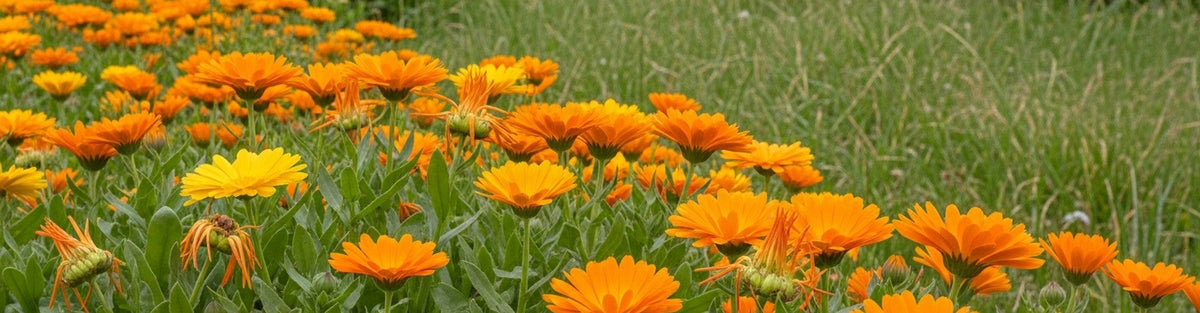
Ringelblume für die Haut ist eines der ältesten dokumentierten Heilmittel in der europäischen Pflanzenheilkunde und wirkt auf drei Wegen gleichzeitig: Sie beruhigt Entzündungen, unterstützt die Hautschutzbarriere und lindert empfindliche Haut. Die Pflanze ist Calendula officinalis, auch Gartenkrakel genannt, heimisch im Mittelmeerraum und seit langem weltweit kultiviert. Ihre Eigenschaften wurden dokumentiert, lange bevor man sie messen konnte.
Es gibt einen Morgen, den viele Frauen kennen: Ein bewährter Balsam funktioniert einfach nicht mehr. Gleiches Produkt, gleiche Routine, aber die Haut fühlt sich dünner, trockener und seltsam fremd an. Wenn Sie die Wechseljahre hinter sich haben, wissen Sie genau, was das bedeutet.
Ihre Haut ist nicht beschädigt. Sie ist jetzt grundlegend anders.
Was folgt, ist die Chemie der Wirkstoffe, der ehrliche Stand der Forschung und die eine Extraktionsmethode, die verändert, wie viel dieser Pflanze tatsächlich Ihre Haut erreicht.
Warum Ringelblumen-Extrakt auf reifer Haut so wirksam ist
Ringelblume wirkt auf mehreren Ebenen, weil sie mehrere unterschiedliche Wirkstoffklassen enthält, nicht nur ein Wundermolekül. Jedes zielt auf etwas anderes ab, das mit der Haut passiert, wenn der Östrogenhaushalt sinkt.
Faradiol-Ester sind der Bestandteil, der am meisten für die entzündungshemmenden Eigenschaften verantwortlich ist. Als Forscher mehrere Ringelblumen-Präparate testeten, die durch überkritische CO2-Extraktion hergestellt wurden, zeigten diejenigen mit dem höchsten Gehalt an Faradiol-Monoestern die größte Entzündungsreduktion. Das ist eine Dosis-Wirkungs-Beziehung, was stärkere Evidenz ist als nur die bloße Präsenz eines Wirkstoffs.
Nach den Wechseljahren ist das wichtig, weil die Haut postmenopausaler Frauen in einem Zustand chronischer, unterschwelliger Entzündung sitzt, den Forscher „Inflammaging" nennen.
Flavonoide einschließlich Quercetin, Isorhamnetin und Kaempferol bieten antioxidativen Schutz. Sie eliminieren die freien Radikale, die sich schneller ansammeln, wenn Ihre eigenen Hautabwehrkräfte schwächer werden, und diese Ansammlung ist Teil dessen, was vorzeitige Hautalterung antreibt.
Triterpenoid-Saponine, einschließlich Calendulasid und Oleanolsäure-Glykoside, hemmen MMP-Enzyme. MMPs sind die Kollagenasen, die vorhandene Kollagenfasern abbauen, daher verlangsamt ihre Blockade den Verlust dessen, was Sie bereits haben.
Carotinoide geben den Ringelblumenblüten ihre orange Farbe und tragen zu antioxidativem Schutz bei. Tannine haben eine adstringierende Wirkung, die der Barriere hilft, Feuchtigkeit zu halten, und kleine Mengen ätherischer Öle runden das Profil ab.
In Forschung, die in Cosmetics zur entzündungshemmenden Aktivität von Ringelblume veröffentlicht wurde, wurde festgestellt, dass der Extrakt die Stickstoffmonoxid-Produktion über den iNOS-Weg hemmt, auf dosisabhängige Weise und ohne Zellvitalität zu schädigen. Die Autoren weisen auf Rosacea, Melasma, Vitiligo und sowohl allergische als auch irritative Kontaktdermatitis als Erkrankungen hin, bei denen dieser Weg fehlreguliert ist.
Dies war Laborarbeit in Immunzellen statt ein Test an Haut, aber es erklärt den Mechanismus hinter Ringelblumes langer Erfolgsgeschichte in Kosmetika für empfindliche Haut.
Wofür Ringelblume traditionell verwendet wurde
Lange bevor die Laborarbeit kam, war Ringelblume eine Pflanze mit Aufgabe. Ringelblumenblüten wurden in Salben und Pflaster getrocknet, in Badewasser für gereizte Haut eingeweicht und in Volkspraxis für kleine Wunden und Verbrennungen verwendet.
Die Blütenblätter dienten auch als Färbemittel in Lebensmitteln und ersetzten Safran. Gärtner bauen Ringelblume immer noch aus genau diesen Gründen an.
Diese Geschichte ist wichtig aus einem praktischen Grund: Sie zeigt, welche Anwendungen Jahrhunderte der Beobachtung hinter sich haben und welche neuere Marketing sind.
Kollagen-Unterstützung: Was die Forschung wirklich zeigt
Ringelblume unterstützt Hautfestigkeit, und die ehrliche Version dieses Anspruchs ist enger als die meisten Artikel zugeben. Hier ist das, was haltbar ist.
Der doppelte Mechanismus
Die Triterpenoid-Saponine der Ringelblume hemmen Matrix-Metalloproteinasen, die Enzyme, die vorhandenes Kollagen abbauen. Ihre Flavonoide reduzieren den oxidativen Stress, der diese Enzyme überhaupt erst auslöst.
Wenn Festigkeit Ihr Hauptanliegen ist, sind unsere Kollagen-fördernden Hautpflege-Balsame um Pflanzen gebaut, die auf diese Weise funktionieren.
Der ehrliche Kontext
Eine weit verbreitete Statistik behauptet, dass Ringelblume die Prokollagen-Synthese um 83,7 % erhöht. Diese Zahl stammt aus einer 2018-Studie zu Tagetes erecta, einer anderen Pflanze, die auch unter dem gemeinsamen Namen Ringelblume bekannt ist.
Wir wiederholen sie hier nicht, weil Tagetes und Calendula officinalis separate Arten mit unterschiedlicher Chemie sind. Wenn Sie diese Nummer anderswo an Ringelblume angehängt sehen, wurde sie falsch zugeordnet.
Welche Humanstudien es gibt
Die beste Humanevidence stammt aus einer 2011-Studie, in der 21 Freiwillige acht Wochen lang täglich eine 3 %-ige Ringelblumencreme auf ihre Wangen aufgetragen haben. Ein Gerät namens Cutometer gemessen, wie ihre Haut tatsächlich reagierte, statt sie zu fragen, wie es sich anfühlte.
Zwei Dinge verbesserten sich um einen bedeutsamen Betrag: Festigkeit und Hydration. Fünf weitere Messungen blieben unverändert.
Die Freiwilligen waren in ihren zwanziger und dreißiger Jahren. Die Studie zeigt also, dass Ringelblume etwas Reales auf menschlicher Haut tut, aber sie sagt nicht, wie viel es auf Haut mit 55 Jahren tut.
Das ist es wert zu wissen, statt darüber hinwegzugehen. Ringelblume verdient ihren Platz in einer Formel, und sie wirkt neben anderen Pflanzen, statt die ganze Last zu tragen.
Barriere-Reparatur und tiefe Feuchtigkeitszufuhr für dünner werdende Haut
Der Moment, in dem Ihr bewährter Balsam aufhört zu funktionieren, ist nicht zufällig. Es ist biologisch.
Nach den Wechseljahren reduziert der Östrogenrückgang die Talgproduktion, verdünnt die äußere Barriere und erhöht den transepidermalen Wassserverlust. Ihre Haut verliert Wasser schneller als vor fünf Jahren, und Formeln, die für jüngere Haut gebaut wurden, waren nicht für diese Situation ausgelegt.
Ringelblume spricht dies durch mehrere Wirkstoffe an, die zusammenarbeiten. Tannine straffen die interzellulären Verbindungen im Stratum corneum und verlangsamen die Rate, mit der Feuchtigkeit entweicht. Ringelblumensäure, eine ungesättigte Fettsäure, die nur in Ringelblume vorkommt, unterstützt die Lipidbarriere-Rekonstruktion, während der Schleim der Pflanze Wasser an der Oberfläche hält.
Der Akhtar 2011-Test hat dies objektiv gemessen. Die Verbesserung des R0-Hydratationsparameters waren Gerätedaten, nicht wie die Haut sich anfühlte.
Gepaart mit Bio-Bienenwachs, einem nährenden Okklusivum, das Feuchtigkeit einschließt, ohne Wasser oder Filler, ist das Ergebnis eine Barriere, die weich statt straff bleibt. Diese Kombination sitzt im Zentrum unserer Barriere-Reparatur für empfindliche Haut Kollektion.
Entzündungen und Rötungen ohne Steroide beruhigen
Rosacea-Schübe. Unerklärte Rötung. Haut, die auf Dinge reagiert, die sie jahrelang verträgt.
Ringelblume regelt dies durch drei unterschiedliche entzündungshemmende Wege. Faradiol-Ester modulieren den NFkB-Weg und reduzieren die IL-6-Produktion. Flavonoide neutralisieren die reaktiven Sauerstoffspezies, die entzündliche Kaskaden auslösen, und Triterpenoid-Saponine bieten direkte Anti-Ödem-Aktion.
Ein systematischer Überblick über Ringelblume für Wundheilung untersuchte 14 Studien, sieben an Tieren und sieben an Menschen. Eine schnellere Auflösung der Entzündungsphase war konsistent über fünf Tierstudien und einen randomisierten Test, während die Ergebnisse bei chronischen Wunden und Verbrennungen gemischt waren.
Das ist ein echtes Signal mit ehrlichen Grenzen, und es ist ein nützlicheres Bild als die selbstsicheren Behauptungen, die normalerweise für diese Pflanze gemacht werden.
Im Gegensatz zu topischen Steroiden, die bei Ekzemen und Rosacea verschrieben werden, verdünnt Ringelblume die Haut nicht mit langfristiger Anwendung. Für postmenopausale Haut, die bereits durch Östrogenmangel dünner wird, ist dieser Unterschied wichtig.
Deshalb sitzt Ringelblume nahe oben auf der Zutatenliste unseres Instant Rosacea, Acne & Redness Stopper. Sie erscheint als Marigold (Calendula) Flower Extract, nur nach dem Trägeröl, und leistet die Beruhigungsarbeit, während Bio-Bienenwachs eine Schutzschicht über Haut hält, die aufgehört hat, Dinge zu vertragen, die sie früher vertragen hat.
Wundheilung und Hauterkrankungen über Rötung hinaus
Die älteste dokumentierte Verwendung von Ringelblume ist Wundheilung, und hier sitzt der größte Teil ihrer klinischen Forschung. Die traditionelle Praxis verwendete sie auf Schürfwunden, Rauheit und Ausschlägen.
Labor- und Tierarbeit zeigt, dass Ringelblume das Wachstum des Epithelgewebes beschleunigt und den lokalisierten Blutfluss zum Bereich fördert, was der Mechanismus schnellerer Granulation ist. Sie zeigt auch antimikrobielle Aktivität in Labortests, obwohl das nicht dasselbe ist wie Infektionsprävention in der Praxis.
Ringelblumensalbe wurde für Windeldermatitis bei Säuglingen untersucht, und sie erscheint in vielen Wundsalben für Babys. In einem dreifach verblindeten Test mit 73 Kindern unter zwei Jahren zeigte eine 1,5 %-ige Ringelblumensalbe vergleichbare Ergebnisse mit Olivenöl-Salbe, ohne Nebenwirkungen in einer der beiden Gruppen.
Sie ist weit verträglich, was die ehrliche Schlussfolgerung ist, statt Beweis der Überlegenheit.
Bei chronischen Hauterkrankungen einschließlich Psoriasis und Ekzem ist die Evidenz schwächer. Ringelblume beruhigt und unterstützt, statt zu lösen, und jeder, der eine diagnostizierte Erkrankung verwaltet, sollte mit seinem Arzt zusammenarbeiten.
CO2-Extrakt vs. infundiertes Öl: Warum die Extraktionsmethode alles ändert
Zwei Produkte können beide Ringelblume auf dem Etikett sagen und sehr unterschiedliche Mengen liefern. Die Extraktionsmethode ist der Grund.
Drei Extraktionsmethoden verglichen
Infundiertes Öl ist die häufigste Form. Getrocknete Blüten werden wochenlang in einem Trägeröl wie Sonnenblumen- oder Olivenöl eingeweicht, was einige lipophile Wirkstoffe extrahiert, sie aber stark verdünnt. Es erscheint typischerweise zu 5 bis 10 % in einer Formel.
Überkritischer CO2-Extrakt verwendet druckaufgeladenes Kohlendioxid, um lipophile Wirkstoffe direkt aus den Blüten zu extrahieren, ohne Träger und ohne Lösungsmittelrückstände. Das Ergebnis ist eine konzentrierte wachsartige Paste, die nur zu 0,1 bis 0,3 % verwendet wird.
Glyzerin oder Tinktur erfasst stattdessen wasserlösliche Wirkstoffe, und Tinkturen tragen normalerweise Alkohol. Das ist ein völlig anderes Profil und nicht vergleichbar für die lipophilen Wirkstoffe, die Ringelblumes Vorteile auf Haut antreiben.
Der Wirkungslücke ist messbar
Das deutlichste Zeichen der Lücke ist die Verwendungsrate. Infundiertes Öl geht zu 5 bis 10 % in eine Formel, während CO2-Extrakt die Arbeit bei 0,1 bis 0,3 % leistet, weil die meisten des Inhalts einer infundierten Flasche Trägeröl ist.
Forscher, die mit Calendula officinalis arbeiteten, verwendeten auch überkritische Technologie, um drei seiner Antioxidantien, Chlorogen-, Kaffee- und Ferulasäure, zu konzentrieren, und erreichten Niveaus 40 bis 70 % über dem ursprünglichen Extrakt.
Konzentration ist nur die halbe Geschichte. Ringelblumenöl und Extrakte bauen sich gleichermaßen mit Licht und Hitze ab, also lagern Sie Ringelblumenprodukte an einem kühlen, dunklen Ort, um ihre Haltbarkeit zu verlängern.
Das Etikettenproblem
Sie können CO2-Extrakt nicht von infundiertem Öl anhand einer Zutatenliste unterscheiden. Beide tragen denselben INCI-Namen: Calendula Officinalis Flower Extract.
Um einen echten CO2-Extrakt zu identifizieren, suchen Sie nach Marken, die überkritische CO2-Extraktion explizit auf der Produktseite angeben. Wenn ein Trägeröl neben Ringelblume in der Liste sitzt, ist es fast sicher ein infundiertes Öl.
Eine weitere Kontrolle, die es wert ist, auf jedem Kosmetik-Etikett zu tun: Bestätigen Sie, dass die Art Calendula officinalis ist, nicht Tagetes. Beide werden als Ringelblume verkauft, und nur eine hat den hier beschriebenen Sicherheits- und Wirksamkeitsdatensatz.
Zutatenpaarungen, die Ringelblumes Vorteile verstärken
Ringelblume wirkt allein. Die richtigen Begleiter lassen sie auf reifer Haut härter arbeiten, und diese vier erscheinen aus einem Grund zusammen in gut aufgebauten Formeln:
- Sanddornöl ist die stärkste Paarung. Reich an Omega-7, unterstützt es die Lipid-Reparatur, während Ringelblume die Entzündung handhabt, und beide sind karotenoidreich, daher überlappen sich ihre antioxidativen Aktivitäten. Unser Leitfaden zu Sanddornöl-Vorteilen erklärt, warum diese Kombination Haut nach 45 passt.
- Bio-Bienenwachs ist das, was den Rest an Ort hält. Es bildet eine Schutzschicht, die Ringelblumes Wirkstoffe gegen Ihre Haut hält, statt sie verdampfen zu lassen, was auch der Grund ist, warum ein wasserfreier Balsam eine wässrige Formel mit denselben Pflanzenstoffen übertrifft.
- Hagebuttenöl bringt Linolsäure und natürliche Carotinoide, die Ton und Textur unterstützen. Sie sehen Hagebutte als natürliches Retinol vermarktet, was zu viel behauptet: die Spurenmenge Retinolsäure, die es enthält, sitzt weit unter einer funktionalen Retinoid-Dosis.
- Kamille ist ein anderes Mitglied der Asteraceae-Familie mit komplementären Beruhigungspfaden. Zusammen bieten die beiden breite Beruhigung ohne künstliche Wirkstoffe.
Wenn Sie ein Gesichtsöl oder einen Balsam bewerten, schauen Sie sich an, was die Ringelblume umgibt. Eine gut aufgebaute Formel paart sie mit komplementären Lipiden und Antioxidantien, statt sie allein arbeiten zu lassen.
Wie Sie Ringelblumen-Extrakt in Ihre tägliche Routine integrieren
Verwenden Sie Ringelblume zweimal täglich, morgens und abends, auf sauberer Haut. Ringelblumenöl und Balsame sind beide zu diesem Rhythmus geeignet, und Konsistenz ist wichtiger als Konzentration.
Morgens

Beginnen Sie mit einem Tagesbalsam auf sauberer Haut. Der Anti-Aging Tagesbalsam für jugendliches Strahlen trägt Ringelblume neben Sanddorn und Granatapfel, was die oben beschriebene Paarung ist. Wenn Ihre Haut zu Unreinheiten neigt oder Mischhaut ist, trägt der Revitalisierender Tagesbalsam für natürliches Strahlen dieselbe Pflanze in einer leichteren Formel.
Eine fingernamengrossse Menge reicht bei wasserfreien Formeln. Wenn Ihre Haut orange aussieht, haben Sie zu viel verwendet.
Frøya Organics behandelt täglichen Sonnenschutz nicht als obligatorisch, und moderate Sonneneinstrahlung hat echte Vorteile. Für lange Strecken im Freien ist ein Mineralsonnenschutz mit Zinkoxid die Option, die wir empfehlen.
Abends

Wenden Sie Ihren Balsam erneut in der Nacht an. Abends ist, wenn die Hautreperatur ihren Höhepunkt erreicht, daher richten sich Ringelblumes entzündungshemmende und barrierenunterstützende Wirkstoffe nach Ihrem eigenen Zyklus aus.
Für den Augenbereich listet der Belebender Augenbalsam Marigold CO2 Extract auf, die überkritische Form, die oben beschrieben wird, gepaart mit Arnika für die dünnste Haut in Ihrem Gesicht. Wenn Rötung Ihr Hauptanliegen ist, trägt das Instant Rosacea, Acne & Redness Stopper Ringelblume zweite auf seinem Etikett und funktioniert als dünne Schicht vor dem Schlafengehen.
Frøya Organics-Balsame sind als eine komplette eigenständige Routine konzipiert, nicht als eine Schicht, die auf anderen Hautpflegeprodukten hinzugefügt wird. Weniger, mehr konzentrierte Schritte passen besser zu dünner werdender Haut als ein langer Stapel.
Über das Gesicht hinaus
Ringelblume ist nicht nur für Ihr Gesicht. Das Dekolleté, die Hände und die Unterarme zeigen menopausale Veränderungen, und Ringelblume topisch angewendet passt zu allen.
Dies ist auch, wo die älteren Formen der Pflanze immer noch Sinn machen. Eine Ringelblumen-Lotion, Salbe oder ein Balsam auf rissigen Händen leistet die gleiche Arbeit, die sie schon immer getan hat.
Realistischer Zeitrahmen
Der Akhtar-Test hat signifikante Veränderungen nach acht Wochen gemessen. Sie werden wahrscheinlich sofortige Weichheit und Beruhigung bemerken, aber messbare Verbesserungen in Festigkeit und Hydration erfordern konsistente tägliche Anwendung über zwei Monate.
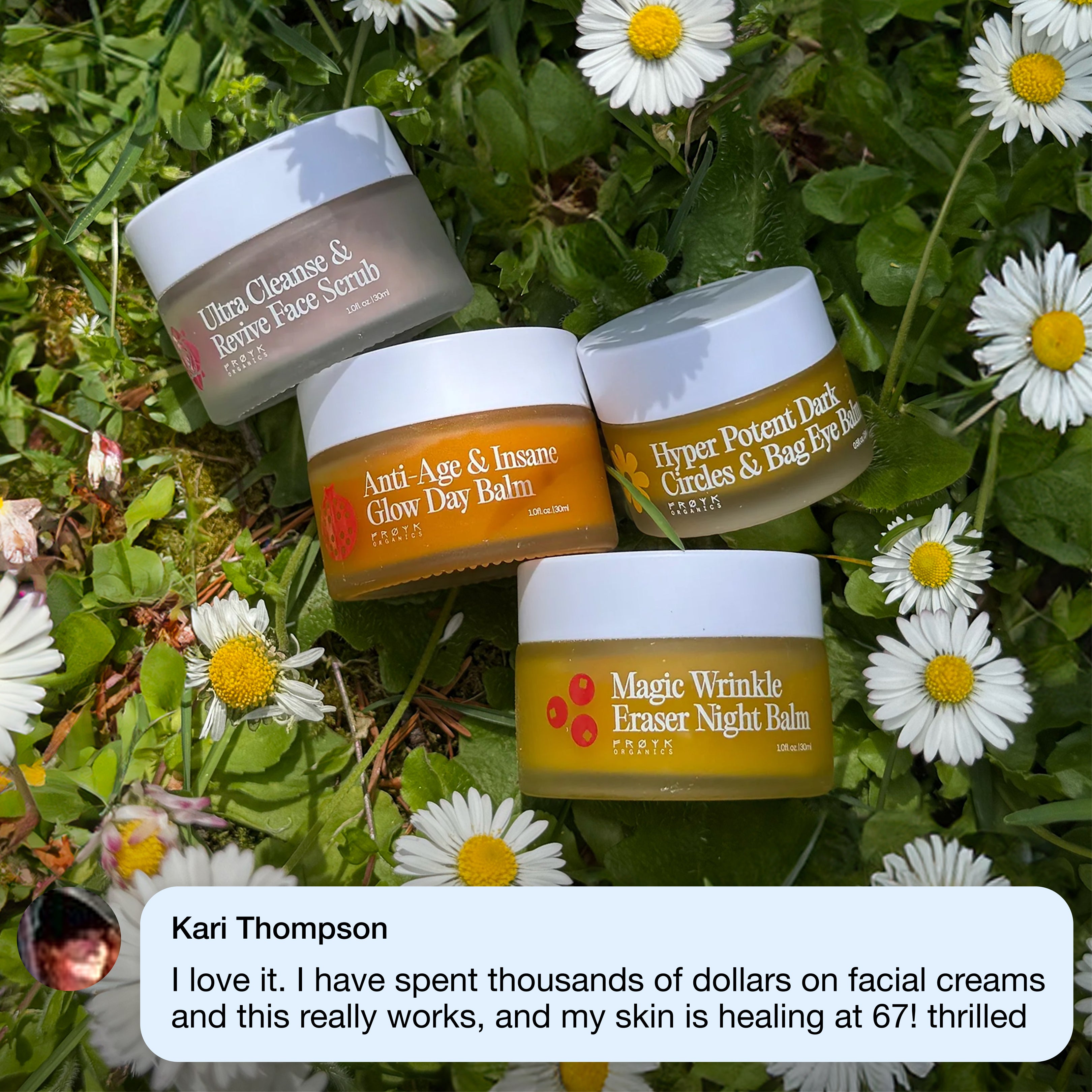
Arktische Wildpflanzen und Bio-Bienenwachs. Null Wasser, null künstliche Duftstoffe. Vier Balsame in einer Routine, die der Haut die Lipide zuführt, auf denen ein lang anhaltender Glanz basiert, mit einer 60-Tage-Geld-zurück-Garantie.
System kaufen - $119Frequently Asked Questions
Ist Calendula-Extrakt sicher für rosazea-anfällige Haut?+
Wie kann ich erkennen, ob ein Produkt echten CO2-Extrakt oder nur infundiertes Öl enthält?+
Wann sollte ich Calendula-Extrakt meiden?+