 Account


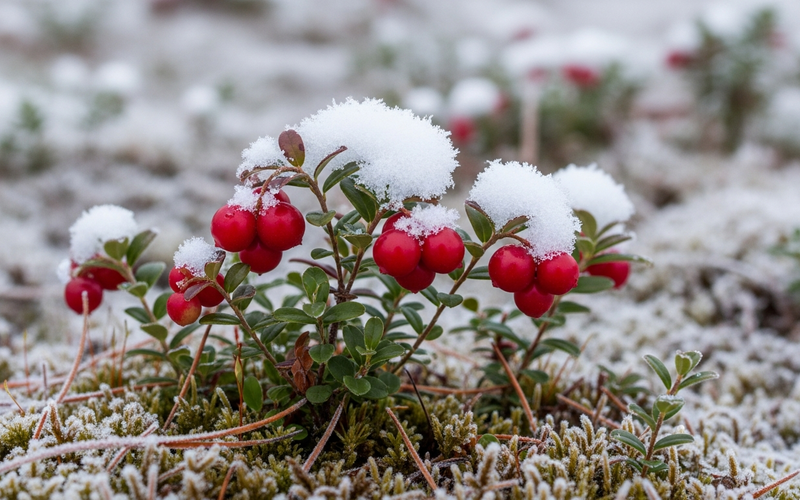
Die meisten Hautpflege-Studien rekrutieren Frauen in ihren Zwanzigern und Dreißigern und gehen dann davon aus, dass die Ergebnisse für alle gelten. Eine randomisierte kontrollierte Studie der University of Florida aus dem Jahr 2024 hat diese Annahme auf den Kopf gestellt. Frauen über 40, die sechs Wochen lang Cranberry-Polyphenole einnahmen, zeigten messbare Verbesserungen bei Hautelastizität, Glätte und UV-Widerstandsfähigkeit. Jüngere Frauen in derselben Studie zeigten überhaupt keine Reaktion.
Dieses Ergebnis ist relevant, wenn Sie sich mit den Hautveränderungen nach 45 auseinandersetzen. Die Vorteile von Cranberry-Extrakt für reife Frauen über 45 passen einzigartig zu dieser Biologie. Die aktiven Verbindungen in Cranberry zielen genau auf die Mechanismen ab, die hinter dem Hautabbau nach 45 stehen: Glykierungsschäden, kollagenabbauende Enzyme, träge Zellreparatur und ein sich veränderndes Hautmikrobiom. Keiner dieser Faktoren wird von einem gewöhnlichen Multivitaminpräparat oder einem weiteren Tiegel Retinol-Creme angegangen.
Hier sind acht konkrete, hautfokussierte Vorteile, die durch klinische Forschung belegt sind, sowie Hinweise zur Wahl der richtigen Form und Dosierung.
1. Klinisch nachgewiesene Hautelastizität und Glätte (bei Frauen über 40)
Die Studie der University of Florida aus dem Jahr 2024 liefert die stärksten Belege für die Vorteile von Cranberry-Extrakt für reife Frauen über 45. Die Details des Studiendesigns machen die Ergebnisse besonders überzeugend, und die Biomarker-Daten erklären, warum ältere Haut so unterschiedlich reagiert.
Das Crossover-Design ist entscheidend für die Interpretation dieser Ergebnisse. Jede Teilnehmerin diente als ihre eigene Kontrolle und erhielt zu unterschiedlichen Zeitpunkten sowohl Cranberry als auch Placebo. Das eliminiert individuelle Unterschiede als Störfaktor und verleiht den Ergebnissen mehr statistisches Gewicht als eine übliche Parallelgruppenstudie gleicher Größe. Wenn dieselbe Frau bei Cranberry eine Verbesserung zeigt und bei Placebo keine, kommen genetische und lebensstilbedingte Unterschiede als alternative Erklärung nicht mehr infrage.
Was diese Studie ungewöhnlich macht: Jüngere Frauen in derselben Studie zeigten keine messbaren Verbesserungen. Die Forscher kamen zu dem Schluss, dass ältere Frauen stärker profitieren, weil sie eine „durch die Alterung verminderte Hautgesundheit und Antioxidansfunktion“ aufweisen. Wie es die Hautpflege-Spezialistin Lindsey Walsh von Juventude Skincare ausdrückt: Die „Effekte sind bei Frauen über 40 am stärksten ausgeprägt, weil ältere Haut mehr grundlegenden oxidativen Stress und mehr Entzündungen aufweist, sodass eine Polyphenol-Supplementierung einen messbaren Auftrieb liefert, der bei jüngerer, intakter Haut schlicht nicht nötig ist.“
Die Studie maß auch interne Antioxidans-Marker, und das altersspezifische Muster bestätigte sich. Frauen über 40 zeigten die stärksten Verbesserungen bei der Aktivität der Glutathionperoxidase (GPx), einer der wichtigsten körpereigenen Abwehrmechanismen gegen oxidative Schäden. Die Aktivität der Superoxiddismutase (SOD) stieg in der gesamten Cranberry-Gruppe an, während TNF-alpha, ein Entzündungsmarker, abnahm. Der GPx-Befund ist bemerkenswert, weil Glutathionperoxidase Zellmembranen vor Lipidperoxidation schützt, einem Prozess, der sich nach den Wechseljahren sichtbar beschleunigt.
Das ist eine Seltenheit bei Hautpflege-Wirkstoffen: Die klinische Evidenz stammt aus Ihrer Altersgruppe und wurde nicht von 25-Jährigen hochgerechnet. Stellen Sie sich darauf ein: Die Ergebnisse zeigten sich nach sechs Wochen bei konsequenter täglicher Einnahme, nicht über Nacht.
2. Kehrt Kollagen-Glykierungsschäden um (nicht nur Vorbeugung)
Sie nehmen schon seit Jahren Kollagen ein, doch Ihre Haut fühlt sich immer noch weniger elastisch an als früher. Das Problem liegt vielleicht nicht an der Kollagenmenge. Möglicherweise wird Ihr vorhandenes Kollagen von innen heraus langsam karamellisiert.
Nach 45 verstärkt sich dieser Schaden, weil der sinkende Östrogenspiegel den Glukosestoffwechsel im Hautgewebe stört und die AGE-Bildung genau zu dem Zeitpunkt beschleunigt, an dem Ihr Körper am wenigsten darauf vorbereitet ist. Der Kollagenverlust von 30% über fünf Jahre in der Perimenopause bedeutet, dass Sie an Kollagenmenge verlieren, während das verbleibende Kollagen gleichzeitig durch Glykierung an Qualität einbüßt.
Eine 2022 im Journal of Agricultural and Food Chemistry veröffentlichte Studie zeigte, dass Cranberry-Polyphenole die AGE-Bildung hemmen und bestehende AGE-Quervernetzungen im Kollagen aufbrechen. Die Procyanidin-Fraktion war die wirksamste Komponente. Georgios Tzenichristos, Gründer von LipoTherapeia mit über 25 Jahren klinischer Erfahrung und mehr als 20.000 Patientensitzungen, bestätigt, dass Cranberry-Procyanidine „Glykierung nicht nur verhindern, sondern auch UMKEHREN.“
Diese doppelte Wirkung – Vorbeugung plus Umkehrung – ist unter Polyphenolquellen selten. Die meisten Antioxidantien können Glykierung verlangsamen. Nur sehr wenige können Schäden rückgängig machen, die sich bereits in der Kollagenmatrix festgesetzt haben. Das ist einer der Vorteile von Cranberry-Extrakt für reife Frauen über 45, der sie von anderen Beerenpräparaten unterscheidet: Sie behebt bereits angesammelte Schäden, nicht nur zukünftige.
Die praktische Erkenntnis: Cranberry-Extrakt und Kollagenpräparate ergänzen sich, statt sich zu überschneiden. Kollagen liefert neue Fasern. Cranberry schützt und repariert die bereits vorhandenen. Ein wichtiger Vorbehalt: Handelsüblicher Cranberrysaft mit Zuckerzusatz verschlimmert die Glykierung aktiv. Der Zucker im Getränk erzeugt mehr AGEs, als die Polyphenole rückgängig machen können. Greifen Sie zu ungesüßten Varianten oder standardisierten Präparaten.
3. Doppelt wirksamer Kollagenschutz: blockiert Abbau und fördert Produktion
Jede Beere enthält Antioxidantien. Cranberry enthält jedoch eine molekulare Struktur, die in fast keiner anderen Frucht vorkommt – eine, die etwas mit kollagenabbauenden Enzymen anstellt, wozu Blaubeeren und Acai nicht in der Lage sind.
Verantwortlich sind die Verbindungen A-Typ-Proanthocyanidine, kurz A-Typ-PACs. Die meisten Beeren enthalten B-Typ-PACs, die eine andere molekulare Verknüpfung und ein schwächeres enzymhemmendes Profil aufweisen. A-Typ-PACs kommen fast ausschließlich in Cranberry vor. Ein Review aus dem Jahr 2025 ergab, dass PAC-Dimere und -Trimere die wirksamste Fraktion bei entzündlichen Hauterkrankungen sind, einschließlich atopischer Dermatitis und Psoriasis. Das bedeutet, dass die A-Typ-PAC-Struktur der Cranberry eine gezielte entzündungshemmende Wirkung entfaltet, die B-Typ-PACs aus anderen Beeren schlicht nicht erreichen.
MMPs (Matrix-Metalloproteinasen) sind Enzyme, die aktiv Kollagen und Elastin abbauen. Ihr Körper braucht ein gewisses Maß an MMP-Aktivität für den normalen Gewebeumbau. Nach 45 nimmt die MMP-Aktivität durch kumulative UV-Belastung und sinkendes Östrogen zu. Die Abrisscrew arbeitet Überstunden, während die Baucrew Pause macht.
Wie Lindsey Walsh anmerkt, ist die A-Typ-PAC-Struktur einzigartig für Cranberry, und genau diese Struktur ist für die überlegene MMP-Hemmung im Vergleich zu B-Typ-PACs aus Blaubeere, Traubenkernen oder Acai verantwortlich. Oral eingenommener Cranberry-Extrakt, standardisiert auf PAC-Gehalt, wirkt systemisch auf die MMP-Aktivität im gesamten Körper. Topische Produkte erreichen nur die äußersten Hautschichten. Wenn Sie Kollagen auf der dermalen Ebene schützen möchten, wo es tatsächlich sitzt, ist die orale Einnahme der direktere Weg.
4. UV-Photoschutz von innen heraus
Sie tragen täglich Sonnenschutz. Trotzdem errötet und reagiert Ihre Haut leichter als vor zehn Jahren. Das liegt nicht am Versagen der Sonnencreme. Es liegt an der mit dem Alter nachlassenden internen Antioxidans-Abwehr Ihrer Haut.
UV-Strahlung erzeugt freie Radikale, die die antioxidativen Reserven der Haut überfordern. Nach 45 sind diese Reserven durch sinkendes Östrogen und Jahrzehnte angesammelten oxidativen Stress bereits erschöpft. Dieselbe UV-Belastung, mit der Ihre Haut mit 30 mühelos zurechtkam, verursacht jetzt mehr Rötungen, mehr Entzündungen und mehr kumulative Schäden. Ihr Sonnenschutz blockiert UV-Photonen an der Oberfläche, tut aber nichts, um den erschöpften Antioxidansvorrat in den Hautzellen wieder aufzufüllen.
Nach oraler Einnahme zirkulieren die Polyphenole systemisch und konzentrieren sich im Hautgewebe, wo sie einen antioxidativen Grundpuffer in der Dermis aufbauen, den Sonnenschutz allein nicht bieten kann. Stellen Sie sich einen typischen Dienstag vor: 20 Minuten beiläufige Sonne auf dem Weg zum Auto, bei Erledigungen, am Fenster sitzend. Sonnenschutz kümmert sich um die direkte UV-Strahlung. Cranberry-Extrakt stärkt die interne Reaktion auf alles, was durchdringt.
Cranberry-Extrakt ist kein Ersatz für Sonnenschutz. Kombinieren Sie ihn für verstärkten Schutz mit einem Breitband-Sonnenschutz mit LSF 30 oder höher. Tragen Sie den Sonnenschutz von außen auf, bauen Sie Ihre Antioxidansreserven von innen auf.
5. Aktiviert die zelluläre Reinigung (Mitophagie) in alternden Hautzellen
Ihre Hautzellen verfügen über ein eingebautes Recyclingprogramm, das beschädigte innere Bestandteile entfernt und von innen heraus neu aufbaut. Nach 45 verlangsamt sich dieses Programm auf ein Minimum. Cranberry-Extrakt kann es wieder in Gang bringen.
Dieser Prozess heißt Mitophagie. Ihre Zellen enthalten Hunderte von Mitochondrien, den winzigen Strukturen, die Energie erzeugen. Wenn ein Mitochondrium fehlfunktioniert, beginnt es, freie Radikale freizusetzen, statt saubere Energie zu produzieren. Mitophagie ist das Qualitätskontrollsystem der Zelle: Sie identifiziert defekte Mitochondrien, baut sie ab und recycelt die Bestandteile zu Rohmaterial für den Aufbau neuer, funktionsfähiger Mitochondrien.
Eine 2024 in Food Research International veröffentlichte Studie ergab, dass Cranberry-Extrakte Mitophagie in menschlichen Fibroblasten auslösten. Die Flavonol-Fraktion war bereits bei Konzentrationen von nur 0,4 Mikrogramm pro Milliliter wirksam. Das sind physiologisch erreichbare Konzentrationen bei oraler Supplementierung, keine abstrakten Labor-Dosierungen.
Stellen Sie sich Mitophagie als Frühjahrsputz für Ihre Hautzellen vor. Cranberry-Extrakt hilft den Zellen, den Unrat zu beseitigen, damit sie wieder effizient Kollagen und Elastin produzieren können. Die meisten Hautpflege-Wirkstoffe wirken an der Oberfläche oder liefern Rohmaterial. Die Aktivierung der Mitophagie setzt an der Wurzel an: Sie verbessert die Funktionsfähigkeit der Zellen, die Ihre Haut aufbauen. Wenn Fibroblasten ihre beschädigten Mitochondrien beseitigen, produzieren sie mehr Kollagen und erzeugen weniger freie Radikale. Die Zelle selbst arbeitet besser.
Diesen Vorteil finden Sie auf keinem Produktetikett, und Sie sehen ihn nicht nach einer einzigen Einnahme im Spiegel. Er erklärt aber, warum eine konsequente Cranberry-Supplementierung die Hautqualität über Wochen, nicht über Tage, verbessert. Die Zellen brauchen Zeit, um den Rückstand aufzuarbeiten, ihre mitochondriale Flotte zu erneuern und die Kollagenproduktion mit neuer Energie hochzufahren.
6. Unterstützt Ihr Hautmikrobiom und die Barrierelipide
Was Sie essen, verändert, welche Bakterien auf Ihrer Haut leben. Und diese Bakterien beeinflussen direkt, wie viel Ceramid Ihre Haut produziert.
Ceramide sind die Lipidmoleküle, die Hautzellen wie Mörtel zwischen Ziegeln zusammenhalten. Sinkt die Ceramidproduktion, schwächt sich die Hautbarriere ab. Wasser entweicht. Reizstoffe dringen ein. Das Ergebnis sind die Trockenheit, Empfindlichkeit und feinen Linien, die so viele Frauen nach den Wechseljahren bemerken. Hormonelle Veränderungen nach 45 verändern die Bakteriengemeinschaft der Haut und reduzieren häufig die Arten, die die Barrierefunktion unterstützen. Das ist nicht nur kosmetisch. Eine geschwächte Hautbarriere löst einen Kreislauf aus Reizung und Entzündung aus, der die sichtbare Alterung beschleunigt.
Eine Unteranalyse der randomisierten kontrollierten Cranberry-Studie von 2024 brachte etwas Unerwartetes ans Licht. Die orale Cranberry-Supplementierung veränderte die Bakterienpopulationen auf der Gesichtshaut der Teilnehmerinnen. Konkret erhöhte sie Rothia mucilaginosa, Cutibacterium granulosum und Staphylococcus epidermidis. Jedes dieser Bakterien spielt eine eigene Rolle: Cutibacterium granulosum regt die Immunfunktion an und schützt die Hautbarriere, während Propionibacterium-Arten dazu beitragen, den sauren pH-Wert der Haut aufrechtzuerhalten, der schädliche Bakterien in Schach hält.
Der S.-epidermidis-Befund ist das herausragende Ergebnis. Der S.-epidermidis-Spiegel korrelierte positiv mit dem Ceramidgehalt der Haut. Mehr von diesem Bakterium bedeutete mehr Ceramid, was wiederum eine stärkere, widerstandsfähigere Hautbarriere bedeutete. Das ist ein Weg von der Einnahme zur Haut: Der Verzehr von Cranberry-Polyphenolen veränderte die bakterielle Landschaft der Haut von innen heraus.
Zu den Vorteilen von Cranberry-Extrakt für reife Frauen über 45 gehört dieser systemische Weg, den die meisten topischen Ansätze völlig übersehen. Nähren Sie die Bakterien, die die körpereigenen Ceramide Ihrer Haut produzieren, statt Ceramide von außen aufzutragen. Wenn Sie neu auftretende Hautempfindlichkeit oder anhaltende Trockenheit erleben, die topische Produkte allein nicht lösen, könnte das Problem im bakteriellen Ökosystem liegen, auf das Ihre Haut angewiesen ist. Es von innen heraus wieder aufzubauen erfordert eine konsequente tägliche Einnahme über mehrere Wochen, geht aber die Grundursache an, statt nur ein weiteres Pflaster aufzukleben.
7. Reduziert Hautentzündungen über die Darm-Haut-Achse
Wenn Ihre Haut seit Mitte 40 reaktiver, röter oder empfindlicher geworden ist, liegt der Auslöser vielleicht gar nicht auf der Haut selbst. Er könnte in Ihrem Darm liegen.
Die Darm-Haut-Achse ist der bidirektionale Kommunikationsweg zwischen Ihrem Verdauungssystem und Ihrer Haut. Ist die Darmbarriere geschädigt, gelangen entzündungsfördernde Moleküle in den Blutkreislauf und zirkulieren zum Hautgewebe. Das Ergebnis sind anhaltende Rötungen, erhöhte Empfindlichkeit und beschleunigte Alterung, die keine topische Creme vollständig beheben kann. Nach 45 schwächt der Östrogenrückgang gleichzeitig sowohl die Darm- als auch die Hautbarriere. Die systemische Entzündung nimmt zu. Haut, die einst widerstandsfähig war, beginnt auf Produkte, Wetterwechsel und Stress in einer Weise zu reagieren, wie sie es nie zuvor tat.
Cranberry-Polyphenole erhöhen die Population von drei wichtigen Darmbakterien: Akkermansia muciniphila, Bifidobacterium und Lactobacillus. Akkermansia ist eine Schlüsselspezies für die Integrität der Darmbarriere. Sie stärkt die Schleimschicht an der Darmwand und hilft, systemische Entzündungen zu regulieren. Bifidobacterium und Lactobacillus produzieren kurzkettige Fettsäuren, die die Barrierefunktion zusätzlich unterstützen. Wird die Darmbarriere dichter, erreichen weniger entzündungsfördernde Moleküle den Blutkreislauf. Weniger systemische Entzündung führt direkt zu weniger Hautrötung und geringerer Reaktivität.
Das steht im Zusammenhang mit den Ergebnissen der randomisierten kontrollierten Studie von 2024. Das reduzierte UV-bedingte Erythem und die gesunkenen TNF-alpha-Werte, die in dieser Studie gemessen wurden, stimmen mit einer geringeren systemischen Entzündung überein. Die Haut war nicht nur an der Oberfläche besser geschützt. Sie war auch von innen weniger entzündet. Wenn Sie bereits jedes beruhigende Serum auf dem Markt ausprobiert haben und Ihre Haut immer noch reaktiv ist, könnte das fehlende Teil die Reparatur der Darmbarriere sein, nicht eine weitere topische Schicht.
8. Phytoöstrogenfrei: sicher für hormonsensible Frauen
Wenn Sie beerenbasierte Präparate wegen Bedenken zu Phytoöstrogenen bisher gemieden haben, ist Cranberry-Extrakt die klare Ausnahme.
Viele pflanzliche Polyphenole interagieren mit Östrogenrezeptoren. Soja-Isoflavone, Rotklee und Leinsamen-Lignane enthalten allesamt Phytoöstrogene, die im Körper östrogenähnlich wirken. Für Frauen mit einer Vorgeschichte hormonsensibler Erkrankungen oder Frauen, die jede hormonelle Beeinflussung vermeiden möchten, erfordern diese Präparate eine sorgfältige Abklärung mit einer Ärztin oder einem Arzt. Dieser zusätzliche Schritt hält viele Frauen davon ab, sich überhaupt mit pflanzlicher Hautunterstützung zu beschäftigen.
Das macht Cranberry-Extrakt zu einem der wenigen evidenzbasierten Hautpräparate, das Frauen ab 45 unabhängig von Hormonstatus, Familiengeschichte oder aktuellen Medikamenten einnehmen können – mit einer Ausnahme. Cranberry-Extrakt kann mit Warfarin und anderen Blutverdünnern interagieren. Hochdosiertes Cranberry kann außerdem den Oxalatspiegel erhöhen, was relevant ist, wenn Sie zu Nierensteinen neigen. Sprechen Sie mit Ihrer Ärztin oder Ihrem Arzt, falls eines davon auf Sie zutrifft.
Für Frauen nach der Menopause gibt es einen doppelten Vorteil, der erwähnenswert ist. Das Risiko für Harnwegsinfekte steigt nach der Menopause stark an, weil der sinkende Östrogenspiegel schützende vaginale Bakterien reduziert. Dieselben Cranberry-PACs, die die Hautgesundheit unterstützen, reduzieren auch das Wiederauftreten von Harnwegsinfekten um 25–30%. Ein Präparat adressiert zwei postmenopausale Anliegen über dieselben aktiven Verbindungen.
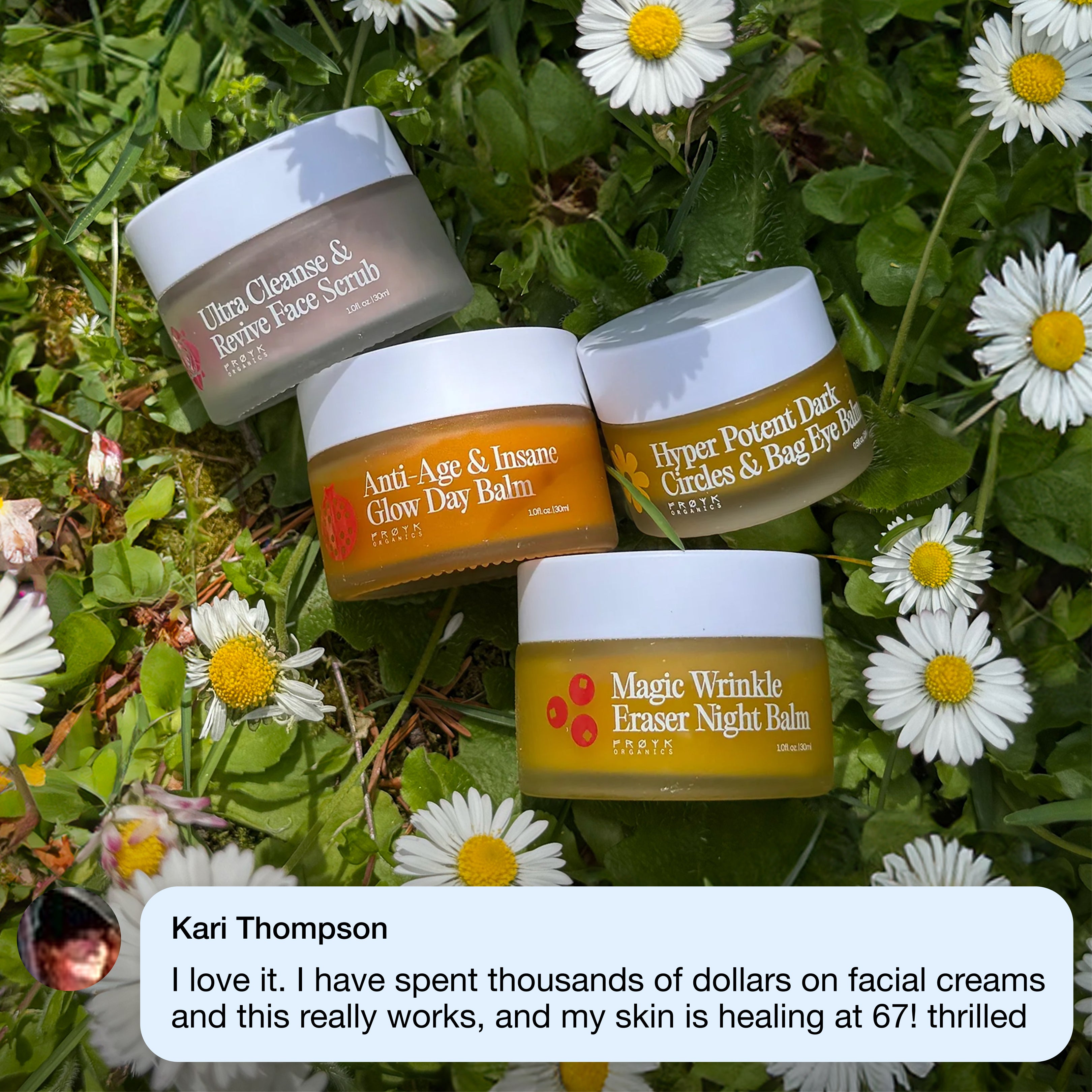
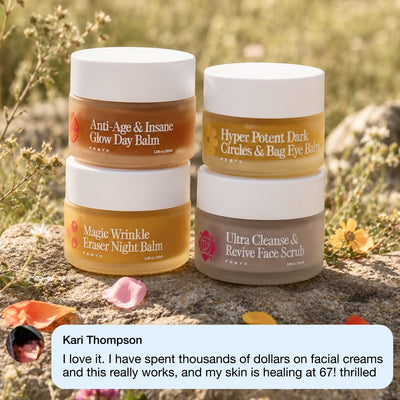
100% pflanzliche Wirkstoffe. Sanddorn als Basis. Kein Wasser, keine künstlichen Konservierungsstoffe. Bewertet mit 4,66/5 bei über 3.152 Rezensionen. 60 Tage Geld-zurück-Garantie.
System kaufen – $119Die richtige Form wählen: Nahrungsergänzung vs. Saft vs. Topisch vs. Pulver
Sie wissen jetzt, was Cranberry-Extrakt für Ihre Haut leisten kann. Hier erfahren Sie genau, wie Sie die richtige Dosis in der richtigen Form erhalten.
Standardisiertes Cranberry-Extrakt-Präparat (Kapsel). Das ist die präziseste Option. Achten Sie auf Produkte, die eine BL-DMAC-Standardisierung auf dem Etikett angeben. BL-DMAC ist die Goldstandard-Methode zur Messung des Proanthocyanidin-Gehalts und die einzige zuverlässige Möglichkeit, die Wirkstärke zu überprüfen. Die Hautstudie von 2024 verwendete etwa 192,9 mg Procyanidine pro Tag. Die meisten handelsüblichen Cranberry-Präparate sind für die Vorbeugung von Harnwegsinfekten auf nur 36 mg PAC pro Tag standardisiert, was für Hautvorteile wahrscheinlich unterdosiert ist. Georgios Tzenichristos empfiehlt Cysticlean (240 mg PAC pro Kapsel) als zuverlässige hochdosierte Option. Ein weiteres Produkt, Oximacro, liefert 112 mg Extrakt mit 36 mg PAC-A pro Portion.
Nicht aus Konzentrat hergestellter (NFC) Cranberrysaft. Muss ungesüßt und 100% Saft sein. NFC-Saft liefert etwa 23 mg PAC pro 100 ml, verglichen mit nur 8,9 mg bei Saft aus Konzentrat. Der entscheidende Unterschied: Handelsübliches Cranberrysaft-Cocktail mit Zuckerzusatz verschlimmert die Glykierung aktiv und wirkt dem Vorteil der AGE-Umkehrung entgegen, den Sie erreichen möchten. Lesen Sie das Etikett. Steht Zucker als Zutat auf der Liste, stellen Sie die Flasche zurück ins Regal. Zum Vergleich: Cranberrysauce aus der Dose enthält nur 1,1 mg Anthocyan pro 100 g, verglichen mit 15 mg in frischen Cranberries.
Gefriergetrocknetes Cranberry-Pulver. Die Gefriertrocknung erhält den PAC-Gehalt ohne Verarbeitungsverluste. Das ist die beste Option abseits von Nahrungsergänzungsmitteln für Frauen, die Vollwertformate bevorzugen. Geben Sie es zu Smoothies, Joghurt oder einem täglichen Beauty-Drink hinzu.
Topische Cranberry-Hautpflege. Bietet lokalen antioxidativen Schutz an der Hautoberfläche. Für alleinige topische Cranberry-Anwendung liegen keine Daten aus randomisierten kontrollierten Studien zu Hautergebnissen vor. Am besten als Ergänzung zur oralen Einnahme verwenden, nicht als Ersatz.
Dosierungsempfehlung für Hautvorteile:
- Streben Sie etwa 192,9 mg Procyanidine pro Tag an (die Dosis aus der Studie)
- Rechnen Sie mit mindestens sechs Wochen bis zu sichtbaren Ergebnissen
- Die BL-DMAC-Standardisierung auf dem Etikett ist das einzige zuverlässige Maß dafür, was Sie tatsächlich erhalten
Der umfassendste Ansatz: ein orales, standardisiertes Präparat für systemische Vorteile, kombiniert mit einem topischen Cranberry-Produkt für antioxidativen Schutz an der Hautoberfläche.