 Account


Ich sah Arnika überall. In Blutergelscremes. In homöopathischen Kügelchen. In Sets zur Nachsorge nach Operationen. Aber in Hautpflege für reife Haut? Das war unerwartet. Dann habe ich den Mechanismus verstanden – und es ergab sofort Sinn.
Der primäre Wirkstoff der Arnika, Helenalin, hemmt NF-kB: den zentralen Schalter für Entzündungen, den Ihr Körper nutzt, um TNF-alpha und IL-6 auszulösen. Das sind genau die Zytokine, die den Kollagenabbau nach dem Östrogenmangel beschleunigen. Der wissenschaftliche Begriff ist Inflammaging, und die Vorteile von kaltgepresstem Arnika-Öl bekämpfen es direkt. Nach 40 verschärft sich diese chronische Entzündung Monat für Monat und zerstört die strukturellen Proteine, die Ihre Haut fest und elastisch halten.
Die meisten verwechseln homöopathische Arnika (verdünnt bis zur Nichtwirksamkeit) mit echtem topischem Arnika-Öl (konzentrierte Pflanzenstoffe, die in die Dermis eindringen). Es ist nicht dasselbe. Bis Sie diesen Artikel zu Ende gelesen haben, werden Sie wissen, welche Vorteile von kaltgepresstem Arnika-Öl am wichtigsten für Ihre Haut sind, wie Sie ein Produkt wählen, das wirklich wirkt, und genau, wo Arnika in Ihre abendliche Routine passt.
Was ist Arnika-Öl (und warum die homöopathische Version nicht zählt)
Homöopathische Arnika ist so oft verdünnt, dass das Endprodukt möglicherweise keine nachweisbaren Arnika-Moleküle mehr enthält. Eine Übersicht der Cleveland Clinic ergab, dass homöopathische Arnika bei Schmerzen oder Blutergüssen nicht besser wirkte als Placebo. Dr. Candice Price, DC, hat darauf hingewiesen, dass der Verdünnungsprozess die aktiven Pflanzenstoffe im Wesentlichen entfernt.
Was ist also das Echte?
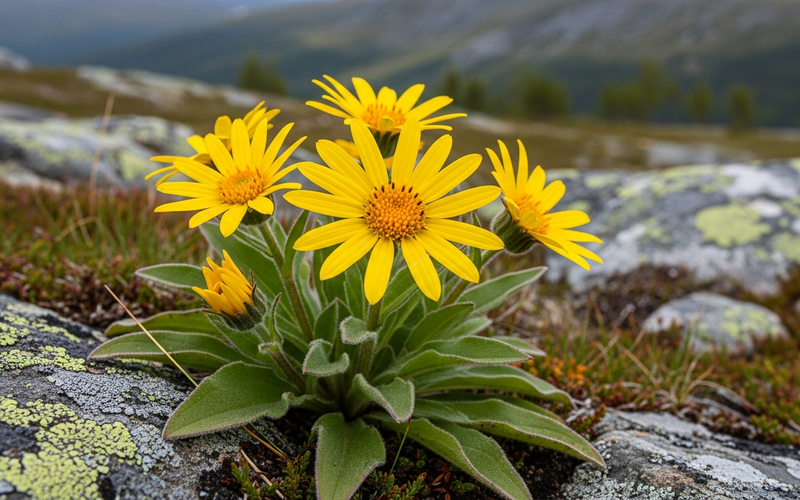
Arnica montana ist eine alpine Blütenpflanze der Familie der Korbblütler (same family as sunflowers and daisies). Ihre aktiven Inhaltsstoffe sind Sesquiterpenlactone, hauptsächlich Helenalin und Dihydrohelenalin, zusammen mit Flavonoiden wie Quercetin und Luteolin.
Arnika-Ätherisches Öl ist eine separate Produktkategorie – ein konzentrierter CO2-Extrakt oder absolutes Öl der flüchtigen Verbindungen der Blüte (echt destilliertes Arnika-Ätherisches Öl ist kommerziell selten). Es ist für Körperanwendungen wie Sportmassage und Blutergel formuliert, verdünnt auf 2–3% in einem Trägeröl. Für ein Gesichts-Hautpflegeprodukt ist kaltgepresstes Arnika-Öl das, was Sie suchen: Es liefert die Wirkstoffe in der richtigen Konzentration und Textur für die tägliche Gesichtsanwendung.
Eine Studie von 2006 von Tekko et al. zeigte, dass Helenalin unbeschädigte Haut durchdringen und die dermalen Schichten erreichen kann. Die Wirkstoffe sitzen nicht nur an der Oberfläche. Sie dringen in die Tiefe vor, wo Inflammaging seinen Schaden anrichtet – das ist es, was die Vorteile von kaltgepresstem Arnika-Öl für reife Haut mehr als nur theoretisch macht.
Inflammaging: Der versteckte Grund, warum sich Ihre Haut nach 40 verändert hat
Sie haben es wahrscheinlich bemerkt, bevor jemand es benannt hat. Ihre Haut erholte sich langsamer. Eine schlechte Nacht zeigte sich auf Ihrem Gesicht tagelang statt Stunden. Schwellungen blieben bestehen.
Rötung blieb. Alles sah matter und müder aus, und kein Schlaf half. Das ist Inflammaging: chronische, unterschwellige Entzündung, die sich nach 40 verschärft, besonders während der Perimenopause.
Der Prozess ist kumulativ. Sie bemerken es nicht Woche für Woche, aber über 12 bis 18 Monate wird der strukturelle Schaden sichtbar. Dr. Amber Hayden, DO, beschreibt den Östrogenmangel als Auslöser eines Zytokin-Anstiegs, der direkt Kollagen abbaut. Dr. Toula Berti, eine auf Dermatologie spezialisierte Ärztin in Nashville, erklärt es weiter: ständige IL-6- und TNF-Alpha-Signalgebung baut aktiv sowohl Kollagen als auch Elastin ab.
Hier werden die Vorteile von Arnika-Öl für alternde Haut relevant. Helenalin alkyliert die p65-Untereinheit von NF-kB (Lyss et al., 1997, PMID 9348104) und schaltet effektiv den Hauptschalter aus, der TNF-Alpha- und IL-6-Produktion kontrolliert. Mit diesem Schalter teilweise unterdrückt, erreicht weniger kollagenabbau-induzierte Signalgebung Ihre Fibroblasten. Quercetin und Luteolin zielen auf einen separaten Weg ab und unterdrücken ERK1/2-Phosphorylierung (PMC6842955), was überaktive Entzündungssignalgebung auf einer anderen Ebene beruhigt.
Kräuterexpertin Rosalee de la Foret betont, dass Arnika Entzündung eher moduliert als vollständig unterdrückt und die gesunde Heilungsreaktion bewahrt, während es das chronische Hintergrund-Rauschen reduziert. Für reife Haut, wo Sie Reparatur und Schutz gleichzeitig brauchen, ist diese Unterscheidung wichtig.
5 Arnika-Öl-Vorteile, die nach 40 am meisten zählen
Nicht jeder Arnika-Vorteil, den Sie online lesen, ist relevant für reife Haut. Einige zielen auf Sportsverletzungen ab. Andere verlassen sich auf homöopathische Zubereitungen, die fast nichts enthalten. Diese fünf werden durch Mechanismus gestützt und durch Forschung spezifisch für alternde Haut unterstützt, und das sind die Vorteile, die Sie in Anti-Aging-Produkten überprüfen sollten, die Arnika enthalten.
1. Beruhigt chronische Mikro-Entzündung (Inflammaging-Abwehr)
Das ist der grundlegende Vorteil. Die Hemmung von NF-kB durch Helenalin reduziert die Produktion von TNF-Alpha, IL-6, COX-2 und reaktiven Sauerstoffspezies. Eine Studie von 2024 im Journal of Ethnopharmacology (Verre et al.) bestätigte dies in entzündeten Makrophagen und zeigte signifikante Reduktionen über alle vier Marker hinweg.
Was das für Ihre Haut bedeutet: weniger von der konstanten, unsichtbaren Entzündungssignalgebung, die Monat für Monat Kollagen und Elastin abbaut. Das ist langfristiger Strukturschutz, keine vorübergehende Ausbruchsbehebung.
2. Reduziert Schwellungen unter dem Auge und dunkle Ringe
Helenalin und Dihydrohelenalin verbessern die Mikrozirkulation und reduzieren Flüssigkeitseinlagerung im empfindlichen periorbitalen Gewebe. LaBruna Skincare hat diese Effekte speziell im Kontext von Arnika-basierten Augenpflegen dokumentiert.
Nach 40 verlangsamt sich der lymphatische Abfluss. Flüssigkeit staut sich leichter, und morgendliche Schwellungen brauchen länger, um sich zu klären. Der Mechanismus hinter diesem Arnika-Öl-Vorteil ist unkompliziert: verbesserte Zirkulation räumt angestaute Flüssigkeit ab, während reduzierte Entzündung das Gefäßaustreten verhindert, das zu dunkler Pigmentierung beiträgt.
Ein Reddit-Nutzer teilte eine Warnung, die Arnika-Öl mit der Beseitigung von dunkler Haut unter den Augen nach einem Monat konstanter Anwendung gutschrieb. Das ist anekdotisch, nicht klinisch. Aber der zugrunde liegende Mechanismus ist gut etabliert.
3. Unterstützt Hautreparatur und Wundheilung
Die gleiche Studie von 2024 im Journal of Ethnopharmacology (Verre et al.) ergab, dass Arnika die Fibroblasten-Migration in einem Wundheilungsmodell verbesserte. Fibroblasten produzieren Kollagen, und ihre Aktivität sinkt etwa 1% pro Jahr nach dem 30. Lebensjahr.
Sie werden nicht das Kollagen Ihrer 30-jährigen Haut nachwachsen. Aber die Unterstützung der Fibroblasten-Aktivität bedeutet, dass der natürliche Reparaturzyklus Ihrer Haut effizienter funktioniert. Kleine Kratzer heilen schneller, und Markierungen nach Pickeln verblassen schneller. Die Gesamttextur bleibt resistenter gegen täglichen Mikro-Schaden.
4. Beruhigt reaktive, sensibilisierte Haut
Reife Haut hat eine dünnere Barriere. Produkte, die mit 35 Jahren gut funktionierten, könnten mit 50 Jahren ein Stechgefühl oder Rötung verursachen. Die Entzündungsreaktion der Haut löst sich leichter aus und beruhigt sich langsamer, wenn die Lipidbarriere mit dem Alter an Dichte verliert.
Quercetin und Luteolin unterdrücken ERK1/2-Phosphorylierung (PMC6842955) und beruhigen überaktive Entzündungswege ohne Abziehen oder Tauben der Haut. Das ist sanfte Modulation, keine Unterdrückung. Ihre Haut reagiert immer noch auf echte Bedrohungen. Sie überreagiert nur nicht mehr auf kleinere.
5. Verbessert Hauttönung und reduziert Rötung
Das ist der Vorteil, den Sie zuerst bemerken. Verbesserte Mikrozirkulation kombiniert mit reduzierter Hintergrund-Entzündung ergibt einen gleichmäßigeren, weniger fleckigen Teint.
Dieses matte, müde aussehende Aussehen, das sich mit Schlaf nicht bessert? Ein großer Teil davon kommt aus chronischer unterschwelliger Entzündung, die Ihren natürlichen Hautton dämpft. Wenn Sie diese Entzündung reduzieren und den Blutfluss verbessern, kehrt die natürliche Hautfarbe zurück. Subtil, aber innerhalb von zwei bis vier Wochen sichtbar.
So wählen Sie ein kaltgepresstes Arnika-Öl, das wirklich wirkt
Überprüfen Sie drei Dinge auf jedem Arnika-Öl-Etikett, bevor Sie kaufen.
Kaltgepresst, kalt-maziert. Suchen Sie nach beiden Ansprüchen zusammen. Kaltgepresst bestätigt, dass das Trägeröl mechanisch ohne Wärme extrahiert wurde, wodurch seine Fettsäure-Integrität bewahrt bleibt. Kalte Mazeration (manchmal als „kalt-infundiert" oder „Mazeration bei Raumtemperatur" gelistet) bestätigt, dass die Arnika-Blüten ohne Wärme verarbeitet wurden – der Schritt, der Helenalin und die Flavonoide intakt hält. Wenn ein Produkt einfach „Arnika-Öl" sagt ohne Extraktionsdetails, nehmen Sie an, dass Wärme irgendwann verwendet wurde.
Trägeröl-Qualität. Das Trägeröl ist das Liefervehikel für jeden aktiven Stoff. Suchen Sie nach benannten, unraffinierten, kaltgepressten Trägern: Sonnenblume, Jojoba oder Olive. Raffinierte oder gebleichte Öle verlieren die Fettsäuren und Nebenkomponenten, die Aufnahme und Hautgesundheit unterstützen. Der Träger sollte früh in der Zutatenliste erscheinen – er ist der Großteil des Produkts.
Verpackung. Dunkle Glasflasche. Helenalin und die Flavonoid-Verbindungen bauen sich mit Lichteinstrahlung ab. Durchsichtige Flaschen oder Kunststoffverpackung bedeuten, dass die Wirkstoffe auf dem Regal zusammenbrechen. Dr. Candice Price empfiehlt, von EU- oder UK-geregelten Herstellern zu kaufen, wo die Qualitätsstandards für botanische Zubereitungen tendenziell strenger sind. Um das volle Spektrum der Vorteile von kaltgepresstem Arnika-Öl zu erhalten, ist Produktqualität nicht verhandelbar.
Was zu vermeiden: Produkte ohne angegebene Extraktionsmethode (kein „kaltgepresst" oder „kalt-maziert" überall auf dem Etikett), Arnika, das unter dem fünften Inhaltsstoff erscheint, hinzugefügte künstliche Duftstoffe, alles, das hauptsächlich als homöopathisch vermarktet wird, und jedes Produkt, das das verwendete Trägeröl nicht angibt.
Wo Arnika-Öl in Ihre abendliche Hautpflege-Routine passt
Arnika-Öl gehört in Ihre PM-Routine, nach wasserbasierten Seren und vor Ihrer Feuchtigkeitscreme oder Nachtcreme. Wasserbasierte Produkte gehen zuerst (Hyaluronsäure, Niacinamid), dann Öle, dann schwerere Cremes, um alles zu versiegeln.
Wenn Sie Retinoide verwenden: wechseln Sie mit Arnika-Öl an anderen Nächten, oder tragen Sie Arnika-Öl zuerst auf und warten Sie 10 Minuten, bevor Sie Ihr Retinoid verwenden. Beide sind aktiv. Geben Sie jedem Platz, um vollständig zu absorbieren.
Allgemeine Schichtungsstrategie: Vitamin C morgens für antioxidativen Schutz. Peptide plus Arnika-Öl abends für Reparatur und entzündungshemmende Unterstützung. Diese Paarung maximiert die Vorteile von Arnika-Öl, weil Peptide die Kollagenproduktion signalisieren, während Arnika das Kollagen schützt, das Sie bereits haben.
Startprotokoll: Machen Sie zuerst einen Patch-Test auf Ihrer inneren Unterarm. Warten Sie 24 Stunden. Beginnen Sie mit drei Nächten pro Woche. Wärmen Sie drei bis vier Tropfen zwischen Ihren Fingertipppen und drücken Sie sanft in Ihre Haut. Nicht ziehen oder reiben. Lassen Sie es zwei bis drei Minuten einziehen, bevor Sie Ihre nächste Schicht auftragen.
Für die Anwendung unter dem Auge verwenden Sie Ihren Ringfinger (leichtester Druck) und tippen Sie das Öl sanft entlang des Orbitalknochens auf. Halten Sie es weg von der Wimpernlinie und vermeiden Sie direkten Kontakt mit dem Auge. Nach zwei Wochen ohne Reizung können Sie auf tägliche Anwendung erhöhen, wenn Ihre Haut gut reagiert.
Sicherheitshinweise: Wer sollte Arnika-Öl überspringen
Tragen Sie nie auf beschädigte Haut, offene Wunden oder operierte Stellen auf. Helenalin auf kompromittierter Haut verursacht Reizung und verzögert Heilung, statt sie zu unterstützen. Das umfasst frische Schnitte, aktive Ekzem-Läsionen und Haut nach Verfahren. Warten Sie, bis die Wunde vollständig geschlossen ist, bevor Sie anwenden.
Asteraceae-Allergie. Wenn Sie auf Ambrosie, Gänseblümchen, Ringelblumen, Sonnenblumen oder Chrysanthemen reagieren, können Sie Kontaktdermatitis von Arnika entwickeln. Die Asteraceae-Familie teilt kreuzreaktive Proteine, daher erstreckt sich die Empfindlichkeit gegen ein Mitglied oft auf andere. Machen Sie einen Patch-Test auf Ihrer inneren Unterarm für 24 Stunden vor Gesichtsanwendung. Wenn Sie eine bestätigte Allergie gegen diese Pflanzenfamilie haben, überspringen Sie Arnika vollständig.
Blutverdünnende Medikamente. Arnika kann mit Antikoagulanzien wie Warfarin und Aspirin interagieren. Selbst topische Anwendung kann die Blutplättchen-Aggregation bei empfindlichen Personen beeinflussen. Wenn Sie irgendwelche Blutverdünner oder Blutdruckmedikamente nehmen, konsultieren Sie Ihren Arzt vor der Anwendung. Stoppen Sie Arnika zwei Wochen vor einer geplanten Operation.
Schwangerschaft und Stillzeit. Unzureichende Belege zur Sicherheit während beider. Vermeiden Sie bis mehr Daten verfügbar sind.
Konzentrations-Empfindlichkeit. Wenn Sie anhaltende Rötung, Juckreiz oder Brennen nach Ihrem 24-Stunden-Patch-Test erleben, verwenden Sie das Produkt nicht auf Ihrem Gesicht. Wechseln Sie zu einer niedriger konzentrierten Formel oder stellen Sie die Anwendung ein.