 Account


Rubbing beef fat on your face sounds like a joke until you see the before-and-after photos. That is where most women land with tallow face cream. You are halfway grossed out, halfway curious, and fully tired of moisturizers that quit working the minute you turned 45.
So let's settle it. Tallow is a real moisturizer with real limits, and the science behind it is a lot thinner than your feed makes it look.
This guide covers what tallow actually is, what the research shows, whether it clogs pores, and what to reach for if you want that same barrier support without the gamble.
Key Takeaways
- Tallow is rendered beef fat used as a moisturizer. Its fatty acids resemble your skin's natural oils, which is why it absorbs and hydrates fairly well.
- The science is limited. The biggest review found no clinical trials on tallow as a finished product, so most claims rest on single ingredients.
- It can clog pores. Dermatologists call beef tallow comedogenic, so it is a risky pick for oily or acne-prone skin.
- Quality is inconsistent. Tallow is unregulated, so what you get changes by brand, animal, and batch.
- There is a gentler route. Waterless botanical balms can support the barrier and lock in moisture without animal fat or harsh actives.
What Is Beef Tallow?

Beef tallow is rendered fat from cattle, melted down and purified into a soft, solid balm. It comes from ruminant animals like cows and sheep, and people have used it in skin care for thousands of years.
The reason it is trending now is simple. It feels like a return to basics in a market full of long, confusing ingredient lists.
Grass-fed beef tallow is the version most brands sell for skin. It carries more naturally occurring vitamins than grain-fed, plus more omega-3 fatty acids and CLA, and organic grass-fed tallow is free from added hormones and pesticides.
Quality also leans on sourcing. Many tallow based products come from grass-fed cows raised on regenerative farms, with better animal welfare and fewer synthetic additives.
How Tallow Differs From Plant Oils
Tallow is animal fat, not a plant oil. That single fact shapes everything else about how it behaves on your face.
Plant oils like rosehip oil, jojoba oil, and extra virgin olive oil come from seeds and fruit. Facial oils and tallow products both moisturize, but tallow is thicker, more occlusive, and off the table if you avoid animal products.
Why People Use Tallow Face Cream on Mature Skin
Tallow is popular for mature skin because its fatty acid profile is close to your skin's natural oils. That similarity is why it absorbs reasonably well and feels nourishing rather than sitting on top like plastic.
Rendered beef fat is naturally rich in fatty acids like oleic acid, stearic acid, and linoleic acid. It also carries fat-soluble vitamins A, D, E, and K that support softer, more comfortable skin.
Fans also point to its anti-inflammatory and antioxidant properties, which can feel soothing on sensitive skin. For dry or reactive skin after 40, that comfort is a big draw.
As estrogen drops, your skin barrier thins and loses moisture faster, so a nutrient dense moisturizer sounds like exactly what you need. Tallow can deliver deep hydration and leave skin hydrated and softer within days.
The appeal is real. The question is whether the evidence backs the bigger promises.
Does Tallow Actually Work for Aging Skin?

Tallow is a decent moisturizer, but there is very little hard science proving it reverses aging. Most claims rest on its individual essential fatty acids, not on studies of the finished product.
The most thorough review to date looked at the research and found real gaps. It confirmed tallow can moisturize, but noted that other oils performed better in direct comparisons.
19 studies reviewed, no controlled human trials on tallow as a finished skincare product
The most comprehensive review of tallow on human skin found significant research gaps and called for proper trials before firm claims can be made. Source: PMC Tallow Scoping Review, 2024
That same review found something telling. In head-to-head tests, oils like pumpkin seed oil actually out-moisturized tallow, so tallow is far from the clear winner it is sold as.
There is also a quiet catch in the chemistry. Oleic acid, one of tallow's main fatty acids, is known to disrupt the skin barrier and increase water loss, even while the saturated fats help seal it.
That tension is why results vary so much. A pot of tallow may hydrate like a rich night cream, so it can help with softening fine lines, but it will not erase wrinkles or support cell regeneration in any proven way. You can read more on how to repair your skin barrier the gentle way.
Will Tallow Clog Pores on Acne-Prone Skin?
Tallow can clog pores for some people, and dermatologists flag this often. Whether it happens to you depends heavily on your skin type.
Because it is a thick animal fat, it is occlusive. On oily skin or acne-prone skin, that can trap oil and dead cells and trigger breakouts.
Dermatology note
Dr. Farah Moustafa, a dermatologist at Tufts University School of Medicine, explains that beef tallow clogs pores more than many other moisturizers, which makes it a poor pick for breakout-prone skin. On acne-prone or combination skin, that can make things worse, not better. Source: Tufts University School of Medicine
There is a scent problem too. Raw tallow smells off, so many brands add essential oils to cover it, and sensitive skin can react to those added oils.
If you still want to try whipped tallow or a balm, protect yourself first:
- Use tallow cream after cleansing, on slightly damp skin, so it spreads thin.
- Apply a pea-sized amount of tallow cream daily, since a little goes a long way.
- Watch how your skin responds over two weeks before committing.
For dry or sensitive skin, tallow skincare is usually gentler, and some find it soothing for dry skin, eczema, and rosacea. For breakout-prone facial skin, the risk is real and worth taking seriously.
A Botanical Alternative to Tallow for Mature Skin

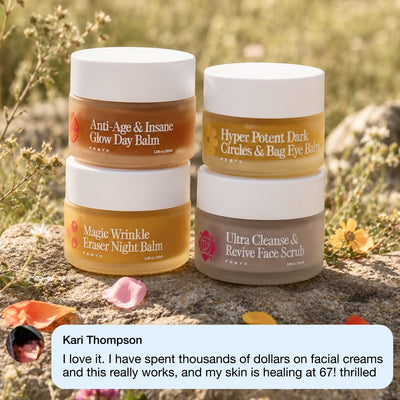
If what you want from tallow is barrier support and lasting moisture without rubbing beef fat on your face, Frøya Organics is built for that. The Complete System for Mature Women's Skin skips animal fat entirely and works from waterless Arctic botanicals blended into organic beeswax.
Beeswax seals in moisture and supports the barrier, the same job people credit tallow's healing properties for. The difference is a fixed, readable ingredient list in every jar, with no batch-to-batch guesswork.
Our plant oils do the nourishing work. Rosehip, sea buckthorn, and squalane deliver antioxidant protection and vitamin E naturally, without rendered fat. Everything is non-toxic, waterless, and made in small batches, so each jar is active from the first use.
How the Waterless Botanical System Compares
Each balm has a job and a place in your day. Here is how the four steps fit together.
|
Frøya Step |
What It Helps With |
How and When to Use |
|
Lifts away buildup and dull, dry surface skin so the balms absorb better |
2 to 3 times a week in the shower |
|
|
Daytime barrier support, hydration, and a natural glow with sea buckthorn, pomegranate, and squalane |
Every morning on clean skin |
|
|
Softens the look of puffiness and fine lines around the delicate eye area |
Morning and night around the eyes |
|
|
Overnight barrier support and softer-looking fine lines with rosehip, arnica, squalane, and beeswax |
A thin layer before bed |
How to Use a Botanical Balm Routine
Using balms is simple, and a little goes a long way because they are waterless and concentrated. You do not need a ten-step shelf.
Here is the daily rhythm:
- Apply a small fingertip amount of balm to clean, dry skin, morning and night.
- Use the face scrub two to three times a week in the shower.
- If skin ever looks orange, you used too much, so scale back.
That is the whole routine. Unlike tallow, where you figure out dosing and layering yourself, each step here has a clear place.
This is why waterless skincare for mature skin suits women over 40. Nothing is padded with water or fillers, so every bit you apply is doing something.
The Real Difference Between Tallow and Botanical Balms
The honest summary is this: tallow is a passable natural moisturizer, and a botanical balm routine is a more consistent, targeted choice for mature skin. Both aim to seal the barrier. They just start from very different places.
Tallow gives you one unpredictable pot that varies by brand and animal, and pure animal fats can spoil quickly without preservatives. A botanical system gives you verified natural oils, beeswax, and a step for each concern.
Think of the difference the way you would compare a plain body butter to a full routine. One is a single rich layer. The other is care matched to each part of your face.
Not sure which balms fit your skin types? Take the find your perfect routine quiz and get a botanical routine matched to your skin in a couple of minutes.
Real Results From the Complete Botanical System

The clearest proof is not a stat, it is skin. Here's a real before-and-after result from women who swapped guesswork for a consistent botanical routine.
What they tend to notice first is comfort. Skin feels less tight, looks a little more even, and holds moisture through the day instead of drinking it up by noon.
These are not overnight miracles, and we would never pretend they are. With steady daily use of the full four-step set, many women see softer skin texture and a calmer, healthier look over several weeks. You can browse more real customer before-and-after results and decide for yourself.
Your skin after 40 does not need beef fat or harsh actives. It needs steady, barrier-friendly care it can actually tolerate.
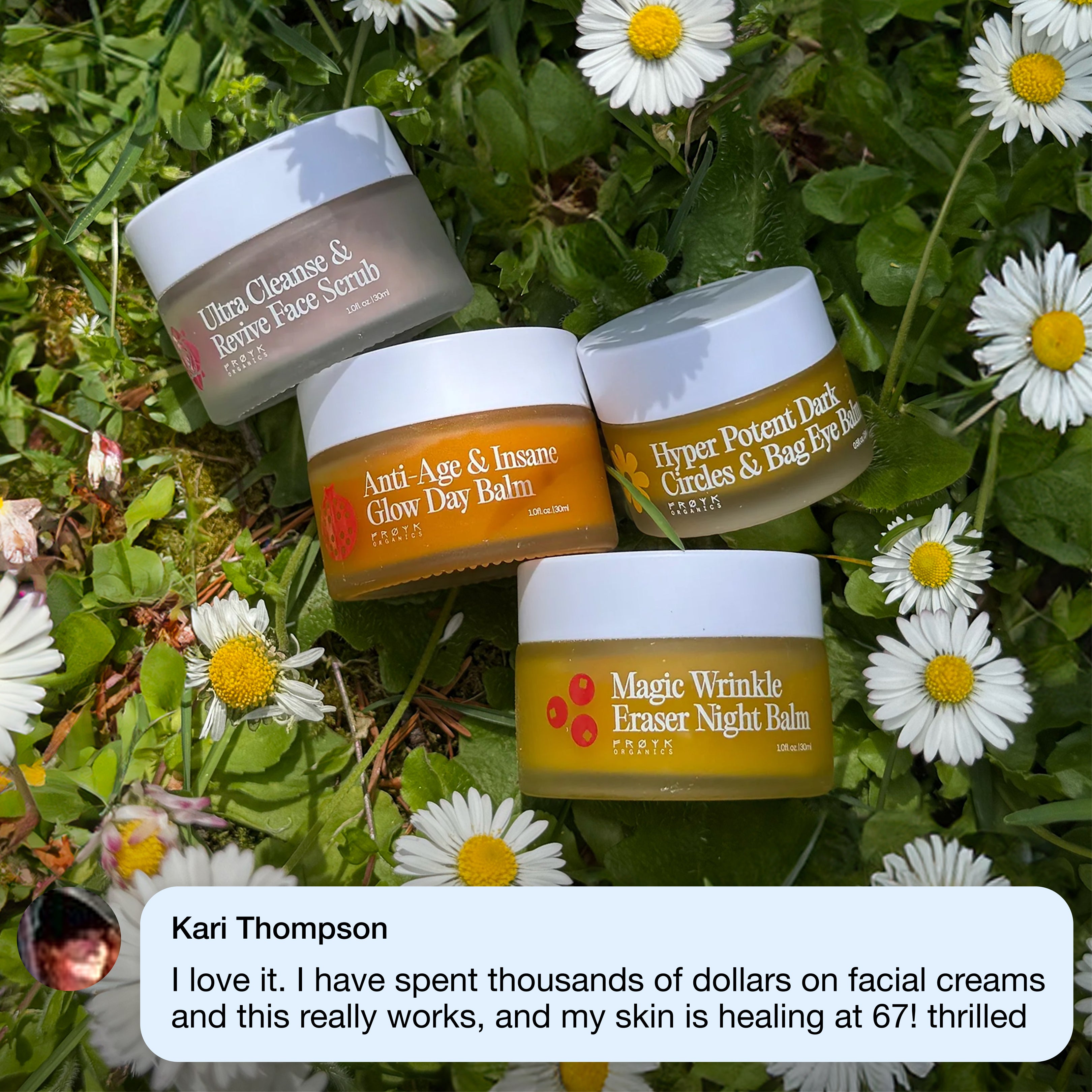
Wild Arctic botanicals and organic beeswax in a waterless four-step routine. The barrier support women look for in tallow, without the animal fat, batch guesswork, or pore risk. Backed by a 60-day money-back guarantee.
Shop the System TodayThis article is for general information only and is not medical advice. Frøya Organics balms are cosmetic products and are not intended to diagnose, treat, or cure any skin condition. If you have a specific skin concern or a persistent reaction, please consult a qualified dermatologist.
Frequently Asked Questions
Is tallow actually good for your face?+
Is beef tallow good for aging skin?+
Why don't dermatologists like beef tallow?+
What is the best tallow cream?+
What is the difference between tallow and other animal-based skincare?+
Why are botanical balms a good alternative to tallow?+
How long until I see results with Frøya's mature skin routine?+