 Account


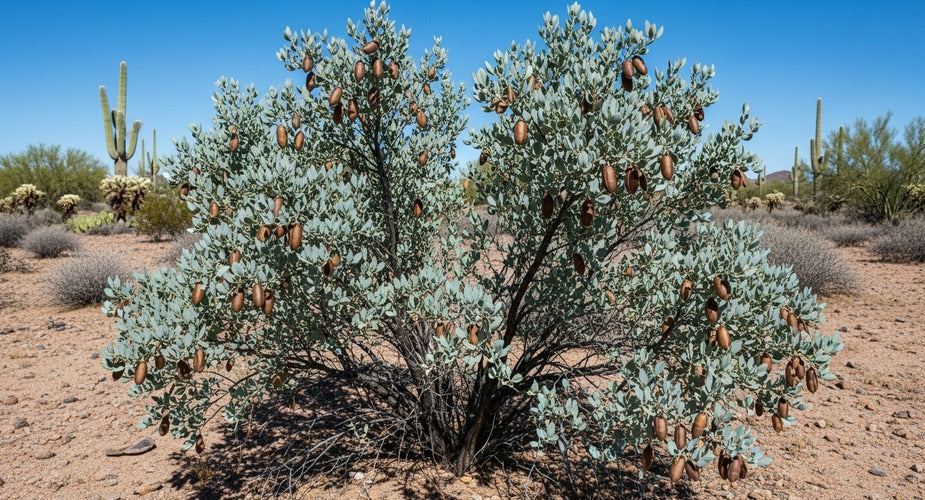
Ecco un fatto che quasi nessuno menziona in un articolo sull'olio di jojoba. La produzione di sebo cala drasticamente con l'età, e il calo più marcato arriva nel primo decennio dopo la menopausa. Eppure le guide sull'olio di jojoba per la pelle che continuavo a leggere erano scritte per adolescenti con acne, e nessuna di loro lo menzionava.
La tua pelle non sta fallendo. Ha solo le riserve di sebo naturale in esaurimento, l'idratante incorporato che ha smesso di produrre in quantità sufficiente.
Questo unico cambiamento è il motivo per cui il jojoba conta più dopo i 45 anni che in qualsiasi altra età. La sua chimica a base di esteri cerosi lo rende l'unico olio vegetale che la tua pelle riconosce effettivamente come sebo.
Non lo chiamerò miracolo né prometterò collagene che non può fornire. Ecco cosa mostra davvero la ricerca: dove il jojoba aiuta una barriera post-menopausa, e dove delude se ti aspetti troppo da una bottiglia di olio.
Il Jojoba Non È Davvero un Olio (e Perché Importa)
L'olio di jojoba non è un olio. È una cera liquida, ed è per questo che si comporta diversamente da ogni altra bottiglia nel tuo scaffale.
Approssimativamente il 98% del jojoba è costituito da esteri cerosi a catena lunga, non trigliceridi, come confermato in una revisione della chimica del jojoba del 2021. L'oliva, l'argan, la rosa canina e il cocco sono tutti trigliceridi. Il jojoba è diverso: un acido grasso legato a un alcol grasso, una struttura che rispecchia da vicino gli esteri cerosi che le tue ghiandole sebacee producono.
Questo unico aspetto cambia tutto. La tua pelle non deve scomporre il jojoba come farebbe con un vero olio. Rimane nello strato più superficiale e si comporta come il sebo, perché a livello molecolare, è molto simile alla cosa vera.
La Dr. Eliza Hart, un'ostetrica che lavora con donne in perimenopausa, lo dice semplicemente. La pelle "riconosce" gli esteri cerosi del jojoba come familiari, il che consente alla barriera di stabilizzarsi e ai segnali infiammatori di calmarsi. Il risultato è meno eruzioni, un recupero più veloce dagli attivi, e meno dei rossori reattivi che arrivano in perimenopausa.
È anche il motivo per cui il jojoba non irrancidisce come fa l'argan e la rosa canina. I suoi antiossidanti naturali, soprattutto tocoferoli, gli danno un'alta resistenza all'irrancidimento, quindi una bottiglia rimane utilizzabile per anni, non mesi. La Dr. Dray, una dermatologa certificata, chiama questa stabilità il singolo più grande vantaggio del jojoba rispetto ad altri oli per il viso.
È per questo che i formulatori lo scelgono come olio vettore in sieri che hanno bisogno di una lunga durata. Dove altri oli essenziali volatili possono bruciare la pelle nuda, il jojoba è abbastanza stabile da applicarsi direttamente, e la sua leggera lucentezza scompare rapidamente.
Perché la Pelle Matura Risponde al Jojoba Diversamente dalla Pelle Adolescenziale
La mia pelle nei miei 20 anni era grassa. La mia pelle a 52 anni sembra carta alle 3 del pomeriggio, indipendentemente da quanti sieri metto a strati.
Se sei qui, probabilmente conosci la frustrazione. Gli oli che una volta sembravano troppo ricchi ora si assorbono e svaniscono, come se la tua pelle li stesse bevendo senza lasciare traccia. Potresti anche notare nuove zone secche, più desquamazione, e pelle che smette di sentirsi morbida nel primo pomeriggio.
Il motivo biologico non è sottile. La produzione di sebo raggiunge il picco all'inizio dell'età adulta e poi cala con ogni decennio, e il calo si accentua nel primo decennio dopo la menopausa.
Allo stesso tempo, l'impalcatura strutturale sottostante si sta assottigliando. Un'analisi di riferimento ha scoperto che le donne perdono quasi un terzo del loro collagene dermico nei primi cinque anni dopo la menopausa, seguiti da circa il 2,1% all'anno per i successivi 15 anni (PMC10092853).
Due sistemi di impalcatura stanno perdendo terreno contemporaneamente. Gli esteri cerosi sulla superficie, e il collagene sottostante.
È qui che il jojoba smette di essere intercambiabile con altri oli. Ogni altro olio vegetale che puoi acquistare è un trigliceride, una molecola che la tua pelle deve elaborare. Gli esteri cerosi del jojoba sono nella stessa classe chimica del materiale che le tue ghiandole sebacee non producono più in quantità sufficiente.
Non è un sostituto. È una sostituzione diretta. Quella logica di riempimento è anche ciò che sta dietro ai balsami per la pelle matura che si basano sui lipidi botanici invece che sull'acqua.
Il verdetto: sotto i 35 anni con pelle da normale a grassa, il jojoba va bene ma niente di speciale. Sopra i 45 anni con pelle che ha iniziato a sembrare sconosciuta, questo è l'olio da provare per primo.
Cosa Mostra Davvero la Ricerca (Barriera, Collagene, Infiammazione)
La maggior parte degli articoli sul jojoba elenca 13 benefici senza fonti. Ecco quelli che la letteratura clinica effettivamente supporta per la pelle matura.
Riparazione della barriera e perdita d'acqua. La perdita d'acqua transepidermica è diminuita fino al 25% entro 24 ore dall'applicazione topica di jojoba, con un miglioramento continuo a 14 e 28 giorni. Per la pelle post-menopausa con una barriera compromessa, questa è la misura più direttamente utile che troverai.
Meno acqua che scappa significa che mantiene la tua pelle idratata più a lungo. Questo significa meno della tensione del tardo pomeriggio che stai inseguendo con il siero.
Sintesi del procollagene. Uno studio del 2024 su Frontiers in Pharmacology ha applicato jojoba topico a pelle umana da donatori di età compresa tra 40 e 65 anni. L'attività del gene collagene III è approssimativamente raddoppiata, e la sintesi del procollagene III è aumentata insieme ad essa. Questo è il macchinario della tua pelle che viene attivato, non il collagene consegnato da un barattolo, e l'effetto è modesto ma reale.
Infiammazione. Lo stesso studio ha misurato riduzioni di circa il 30% in IL-6, IL-8 e TNF-alfa. Per la pelle 45+, l'infiammazione cronica di basso grado peggiora la texture, il rossore e il tempo di recupero.
Una riduzione del 30% in questi marcatori è un cambiamento benefico e significativo, non un linguaggio di marketing. Gli antiossidanti naturali del jojoba, soprattutto la vitamina E, aiutano anche a proteggere la barriera e a supportare la salute della pelle. Questo intento calmante è lo stesso dietro ai balsami di riparazione della barriera costruiti su botaniche lenitive.
Regolazione del sebo. Nei soggetti con pelle grassa, la produzione di sebo è diminuita del 23% dopo 28 giorni. Questo importa nella fase di pelle mista della perimenopausa, quando la tua zona T va selvaggia mentre le tue guance si asciugano.
Cosa il Jojoba Non Farà (Una Lista Onesta)
Tre delusioni che vale la pena evitare prima di acquistare una bottiglia e decidere che il jojoba non ha funzionato.
Il jojoba non idrata. La Dr. Tiffany Libby e la Dr. Julie Russak fanno lo stesso punto: gli oli sono emollienti e occlusivi. Rallentano l'evaporazione dell'acqua già nella tua pelle, ma non aggiungono acqua.
È per questo che un olio venduto come super idratante ha ancora bisogno di acqua sottostante. Il jojoba non è un idratante per il viso nel senso umettante, e nemmeno le lozioni corpo ricche di oli. Bloccano tutti l'idratazione esistente, ma nessuno fornisce l'acqua di cui la tua pelle ha effettivamente bisogno.
Applica il jojoba su pelle secca e nuda e stai sigillando la secchezza. Questo è il motivo più singolo per cui le donne nei loro 50 anni decidono che gli oli non funzionano su di loro. Gli oli funzionano, ma hanno bisogno di acqua sottostante, che è tutta l'idea dietro l'idratazione della pelle secca dopo i 50.
Il jojoba non sostituirà il retinolo. La Dr. Davin Lim è schietta: sostanze chimiche come l'acido retinoico stimolano la produzione di collagene. Il ruolo del jojoba è protettivo e di supporto, non generativo.
L'aumento del procollagene è reale ma modesto, niente come il turnover che ottieni da un retinoide. Se vuoi una riduzione delle rughe misurabile, hai ancora bisogno di uno. Il compito del jojoba è rendere quel retinoide tollerabile.
Il jojoba non ricostruirà il collagene perso. La perdita di collagene post-menopausa di quasi un terzo in cinque anni non è reversibile con un olio topico. Nessun olio vegetale lo inverte, e chiunque ti dica il contrario sta vendendo qualcosa.
Il jojoba è un ingrediente di barriera e comfort, non un ingrediente di trasformazione. Se sai a cosa serve, è eccezionale. Se ti aspetti di più, sarai delusa.
Jojoba vs. Argan vs. Rosa Canina vs. Cocco per la Pelle Matura
Se il tuo cassetto ha già argan, rosa canina o cocco, ecco dove ognuno appartiene in una routine 45+.
| Olio | Chimica | Migliore per la pelle matura | Limitazione principale |
|---|---|---|---|
| Jojoba | Esteri cerosi (~98%) | Riparazione della barriera, sostituzione del sebo | Non idrata da solo |
| Argan | Trigliceridi, vitamina E alta | Morbidezza superficiale, sensazione | Si ossida più velocemente, nessun abbinamento al sebo |
| Rosa Canina | Trigliceridi, traccia di acido retinoico | Pigmentazione, texture | Si ossida più velocemente |
| Cocco | Trigliceridi saturi | Corpo, non viso | Ostruisce i pori del viso |
Il jojoba è l'unico olio qui nella stessa classe del sebo umano, ed è straordinariamente stabile. Su pelle grassa, secca, mista e sensibile, appartiene come base della tua routine di oli.
L'argan è ricco di vitamina E e dà una sensazione liscia, ma chimicamente è un trigliceride standard senza particolare affinità per la pelle matura. Si stratifica bene sopra il jojoba, ma non fa nulla che il jojoba non possa fare meglio per la barriera.
La rosa canina ha i migliori dati su pigmentazione e texture dei quattro. L'inconveniente è che si ossida più velocemente di qualsiasi olio per il viso qui, quindi acquista bottiglie piccole e conserva in frigorifero dopo l'apertura.
Il cocco ha un valore di comedogenicità di quattro su cinque, il che lo rende un olio corpo, non un olio viso, per chiunque abbia più di 45 anni. Per il caso completamente onesto sul cocco, vedi la mia guida separata: olio di cocco per la pelle. Versione breve: meraviglioso sotto il collo, scelta scarsa sul viso.
Verdetto rapido: jojoba come base, rosa canina per la pigmentazione, argan per la sensazione, cocco completamente fuori dal viso.
Come Usare il Jojoba con Retinolo, Peptidi e Vitamina C
L'ordine della tua routine di cura della pelle importa. I prodotti di cura della pelle a base d'acqua vanno prima, e gli oli per ultimi, nello step finale di sigillatura. Senza acqua sottostante, sigilli la secchezza invece di bloccare l'idratazione.
Gli attivi forti possono aiutare, ma hanno un costo. Il retinolo e l'acido retinoico accelerano il turnover cellulare, e questo spesso porta secchezza, desquamazione, rossore e più sensibilità al sole. Quell'irritazione è il compromesso per i risultati.
Poiché il jojoba è delicato, può ammorbidire quel colpo senza bloccare l'attivo. Ecco il modo più calmo di combinarli:
- Applica il tuo attivo per primo e lascialo assorbire.
- Aspetta circa 10 minuti.
- Premi uno strato sottile di jojoba in cima per tamponare la pelle.
Mescolare il jojoba direttamente in un retinoide può guidare molto più attivo nella tua pelle in una volta, il che spesso significa più irritazione, non meno. Inizia con il metodo stratificato, e cambialo solo quando la tua pelle si è completamente adattata.
Con i peptidi. I peptidi sono a base d'acqua e devono raggiungere i strati cellulari viventi. Applica il peptide per primo su pelle umida, lascialo assorbire, quindi sigilla con il jojoba in cima.
Con la vitamina C. Applica la vitamina C per prima la mattina su pelle pulita, quindi aspetta alcuni minuti. Uno strato di jojoba in cima rallenta la sua ossidazione limitando l'esposizione all'aria.
Se preferisci evitare il bruciore
Una routine botanica e basata sulla barriera fa un lavoro di comfort simile senza attivi duri. Questo è il punto dei balsami artici senza acqua: supporta la barriera delicatamente, poi lasciala recuperare.
Se usi un attivo qualsiasi, il jojoba va per ultimo. Se preferisci non stratificare affatto, una routine di balsamo delicato può portare avanti il lavoro di comfort da sola.
Come Scegliere e Usare il Jojoba Senza Sprecare Soldi
Il jojoba è uno dei pochi oli dove la bottiglia economica e la bottiglia di lusso sono spesso lo stesso materiale grezzo. Il prezzo premium di solito paga per il confezionamento, non per la chimica.
Cosa cercare:
- Spremuto a freddo e privo di esano, quindi rimane dorato di colore, non trasparente.
- Spremuto dal seme della pianta di jojoba con nessun additivo.
- 100% puro e biologico, idealmente con almeno 95% di materiale biologico.
- Un nome INCI che legge Simmondsia Chinensis Seed Oil, e poco altro.
Una bottiglia fa diversi lavori. Funziona come un detergente per il trucco che solleva il trucco ostinato, un delicato olio detergente, un leggero olio da massaggio, e un olio per le cuticole che mantiene le unghie morbide.
Quella gamma lo rende un utile elemento base in qualsiasi cassetto di cura personale o bellezza. Il jojoba si adatta anche ai capelli e al cuoio capelluto, dove condiziona i fili e calma le radici. È dove Frøya usa il jojoba, nella sua linea di cura dei capelli.
Come applicare:
- Scalda 3-5 gocce tra i palmi.
- Premi, non strofinare, sulla pelle ancora umida dal tuo tonico o siero.
- Per il corpo, stendi 1-2 gocce su pelle ancora umida dopo la doccia.
Se vuoi aggiungere l'olio di jojoba a una routine che già ti piace, inizia di notte per una finitura idratante leggera. Nel giro di poche settimane migliora l'aspetto della pelle secca e spenta e la lascia liscia. Sul corpo, aiuta ad ammorbidire i punti ruvidi su ginocchia e gomiti, ed è solo per uso esterno.
Come conservarlo
Mantieni il jojoba in una bottiglia di vetro scuro, in un armadio fresco, lontano dalla luce. La sua stabilità ossidativa significa che una bottiglia da 4 fl oz ben conservata può durare due o tre anni senza irrancidirsi. Per la maggior parte delle persone, questo la rende un semplice acquisto una tantum piuttosto che un abbonamento.
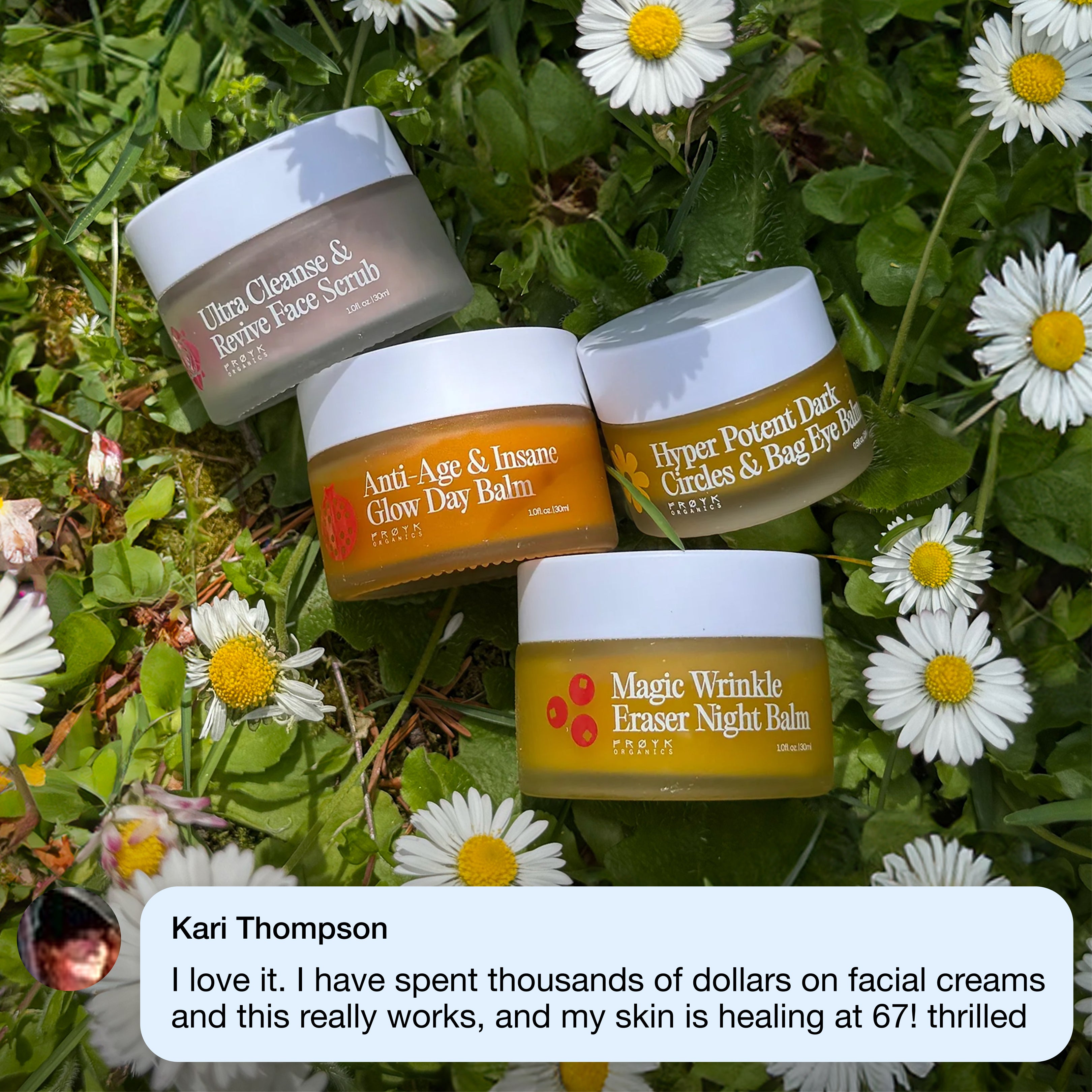
Piante artiche selvagge e cera d'api biologica. Zero acqua, zero profumo sintetico. Quattro balsami in una routine che nutre i lipidi della barriera da cui dipende una lucentezza duratura, supportato da una garanzia di rimborso di 60 giorni.
Acquista il Sistema - $11