 Account


Es begann als ein leichtes Prickeln an meinen Schienbeinen gegen 2 Uhr nachts. Innerhalb weniger Wochen fühlte es sich an, als würden Ameisen unter meiner Haut leben, über meine Unterarme wandern und meinen Nacken hinaufkriechen.
Ich überprüfte die Bettwäsche. Ich überprüfte den Hund. Ich wechselte das Waschmittel. Nichts davon war das Problem.
Wenn Sie 45 Jahre oder älter sind und dies um Mitternacht lesen, während Sie sich die Waden kratzen, hören Sie zuerst dies: Juckreiz der Haut in den Wechseljahren betrifft 50 bis 64 % der Frauen in Menopause-Kliniken. Sie bilden sich das nicht ein.
Was hier passiert, ist komplexer als „trockene Haut“. Drei Mechanismen wirken zusammen. Der Rückgang des Östrogens lässt die Ceramide in Ihrer Hautbarriere kollabieren und lässt den transepidermalen Wasserverlust in die Höhe schnellen. Eine wechselseitige Östrogen-Histamin-Schleife bringt Ihre Mastzellen zum Auslaufen. Und bis zu 20 % der Frauen mittleren Alters entwickeln ein neuropathisches Kribbel- und Kriechgefühl, das als Formikation bezeichnet wird. Nur eines zu behandeln und die anderen beiden zu ignorieren, ist der Grund, warum die meisten frei verkäuflichen Produkte bei Haut in den Wechseljahren versagen.
Die medizinische Standardantwort ist die Hormonersatztherapie (HRT). Ein pflanzenbasierter, mechanismusbewusster Ansatz wirkt jedoch gleichzeitig auf Barriere, Histamin und Nervensignale, ohne die Hormone zu beeinflussen.
Im Folgenden finden Sie die acht Strategien, die bei mir tatsächlich etwas bewirkt haben, geordnet von der schnellsten Linderung heute Nacht bis zur tiefgreifendsten langfristigen Reparatur.
1. Bauen Sie Ihre Hautbarriere mit Ceramiden und Niacinamid wieder auf
Wenn Sie diese Woche nur eine Sache tun, dann diese.
Östrogen treibt die Ceramid-Synthese im Stratum corneum an. Sinkt der Östrogenspiegel, stockt die Ceramid-Produktion, und Ihre Haut kann buchstäblich kein Wasser mehr halten. Niacinamid übernimmt zwei Aufgaben: Es fördert die Ceramid-Produktion und wirkt okklusiv, wodurch der Wasserverlust verlangsamt wird, während sich die Ceramide neu aufbauen. Kombinieren Sie es mit topischen Ceramiden 1, 3 und 6-II, um Ihre Barriere wieder funktionsfähig zu machen.
Praktische Regeln:
- Wählen Sie Produkte mit den Ceramiden 1, 3 und 6-II sowie 4 bis 5 % Niacinamid
- Tragen Sie es innerhalb von 60 Sekunden nach dem Duschen auf die feuchte Haut auf, solange die Poren noch geöffnet sind
- Zweimal täglich, vom Hals abwärts. Lassen Sie Hände, Schienbeine oder Unterarme nicht aus. Das sind die klassischen Zonen für Juckreiz in den Wechseljahren
- Vermeiden Sie künstliche Duftstoffe, Sulfate und Farbstoffe. Sie verschlimmern das Barriereproblem
Ein Detail, das die meisten Frauen übersehen: Die meisten Hautpflegeprodukte bestehen zu 70 bis 90 % aus Wasser. Wenn dieses Wasser verdunstet, nimmt es Ihre eigene Feuchtigkeit mit sich, das Gegenteil von dem, was Sie wollen, wenn der transepidermale Wasserverlust ohnehin schon hoch ist. Eine wasserfreie, auf Pflanzenölen basierende Formel liefert dieselben Wirkstoffe, ohne diesen Verdunstungseffekt.
- Juckreiz, der sich nach dem Duschen verschlimmert
- Trockenes Klima oder Wintermonate
- Haut, die sich spannend und papierartig anfühlt
- Sie bereits eine Ceramid-Routine anwenden und der Juckreiz bestehen bleibt
- Der Juckreiz mit Erröten oder Quaddeln einhergeht
- Das Problem eher mit Histamin oder Nerven zusammenhängt (siehe Punkte 5 und 6)
2. Nutzen Sie das Hautreparaturfenster von 22 bis 2 Uhr gegen nächtlichen Juckreiz
Juckreiz, der Sie um 1 Uhr nachts weckt, ist kein Zufall. Es ist eine Falle aus drei Mechanismen.
Zwischen 22 und 2 Uhr treffen drei Dinge zusammen. Histamin erreicht am späten Abend seinen Höhepunkt. Cortisol erreicht seinen Tiefpunkt, sodass seine entzündungshemmende Wirkung genau zum ungünstigsten Zeitpunkt am schwächsten ist. Und der transepidermale Wasserverlust steigt während des Schlafs.
Gleichzeitig erreicht der körpereigene Reparaturzyklus Ihrer Haut in genau diesem Zeitfenster seinen Höhepunkt. In dieser Zeit aufgetragene Produkte wirken besser als tagsüber angewendete. Das ist der Hebel, an dem Sie ansetzen.
Das Nachtprotokoll, das funktioniert:
- Lauwarmes Duschen um 21:30 Uhr. Niemals heiß. Heißes Wasser entzieht der Haut Ceramide schneller, als sie diese ersetzen kann
- Trocken tupfen, nicht reiben. Tragen Sie ein Barriereprodukt auf Pflanzenölbasis auf die feuchte Haut an Beinen, Armen und Rumpf auf. Hier schlägt eine wasserfreie Ölformel eine wasserbasierte Lotion. Sie versiegelt, anstatt zu verdunsten
- Schlafzimmer bei 60 bis 67°F mit 40 bis 50 % Luftfeuchtigkeit. Ein Luftbefeuchter für $30 ist im Winter nicht verhandelbar
- Schlafkleidung aus Baumwolle oder Bambus. Niemals Wolle oder Synthetik. Beide stauen Wärme und lösen Juckreiz aus
- An besonders schlimmen Nächten nehmen Sie 30 bis 60 Minuten vor dem Schlafengehen ein Antihistaminikum ein. Fragen Sie Ihren Arzt, welches geeignet ist
Feuchte Haut vor dem Schlafengehen ist der wirkungsvollste Moment des Tages gegen Juckreiz in den Wechseljahren. Ein kaltgepresstes Pflanzenöl nutzt das Reparaturfenster optimal und verdunstet nicht. Sanddornöl glänzt hier besonders, und Punkt 4 erklärt, warum.
3. Nehmen Sie ein Bad mit kolloidalem Hafermehl, wenn der Juckreiz eskaliert
Altmodisch, ja. Aber von der FDA zugelassen und durch ein echtes Molekül namens Avenanthramid belegt? Auch ja.
Kolloidales Hafermehl enthält Avenanthramide, Polyphenole, die histamininduzierte Juckreizsignale auf Nervenebene unterbrechen. Sie beruhigen nicht nur die Oberfläche. Sie dämpfen das Signal auf dem Weg zu Ihrem Gehirn, indem sie die NF-kB-Entzündung hemmen und die Prostaglandin-Freisetzung reduzieren.
Die FDA stuft kolloidales Hafermehl als Hautschutzmittel ein. Seine Beta-Glucan-Stärken bilden einen okklusiven Film, der die Feuchtigkeit noch stundenlang nach dem Bad einschließt, genau das, was beanspruchte Haut in den Wechseljahren braucht.
So machen Sie es richtig:
- Verwenden Sie reines kolloidales Hafermehl. Aveeno-Beutel funktionieren, oder mahlen Sie reine Haferflocken im Mixer zu feinem Pulver
- Lauwarmes Wasser, unter 98°F. Heißes Wasser konterkariert den Zweck und entzieht die Lipide, die Sie eigentlich schützen wollen
- 15 bis 20 Minuten einweichen, während des Bads keine Seife verwenden
- Trocken tupfen. Tragen Sie innerhalb von 60 Sekunden Ceramid-Creme auf die feuchte Haut auf. Das lässt sich direkt mit Punkt 1 kombinieren
- Verzichten Sie darauf, wenn Sie einen offenen Ausschlag oder verletzte Haut haben
4. Probieren Sie Sanddornöl für langfristige Barriereunterstützung
Eine kleine orangefarbene arktische Beere liefert Omega-7, die Fettsäure, die Ihrer Hautbarriere fehlt.
Sanddorn ist eine der wenigen nennenswerten pflanzlichen Quellen für Palmitoleinsäure, das Omega-7, das Ihre Haut und Schleimhäute zur Erhaltung der Barriereintegrität nutzen. Er enthält außerdem rund 190 bioaktive Verbindungen, darunter Flavonoide, die die Entzündungswege NF-kB und JAK2/STAT1 unterdrücken, dieselben Wege, die die Mastzell-Infiltration in den Wechseljahren antreiben. Entscheidend ist: Er erhöht den Östrogenspiegel nicht. Es handelt sich um eine echte hormonfreie Option, keinen Phytoöstrogen-Umweg.
Die Studienlage ist ungewöhnlich stark. Eine randomisierte kontrollierte Studie in Maturitas mit 116 Frauen in den Wechseljahren ergab, dass 3 Gramm pro Tag die vaginale Epithelintegrität im Vergleich zu Placebo verbesserten, ohne den Östrogenspiegel zu erhöhen:
So wenden Sie es an:
- Oral: 3 Gramm pro Tag, typischerweise sechs 500-mg-Kapseln oder 1 Teelöffel Öl. Rechnen Sie mit 8 bis 12 Wochen für Veränderungen an der Barriere
- Topisch: ein paar Tropfen in Ihrer Abendroutine, in die feuchte Haut eingeklopft
- Wählen Sie CO2-extrahiertes Öl aus der ganzen Beere. Kern und Fruchtfleisch zusammen liefern das Omega-7 plus Carotinoide
Das ist der Inhaltsstoff, um den wir Frøya herum aufgebaut haben, weil er die Barriere von innen heraus repariert, ohne Hormone.
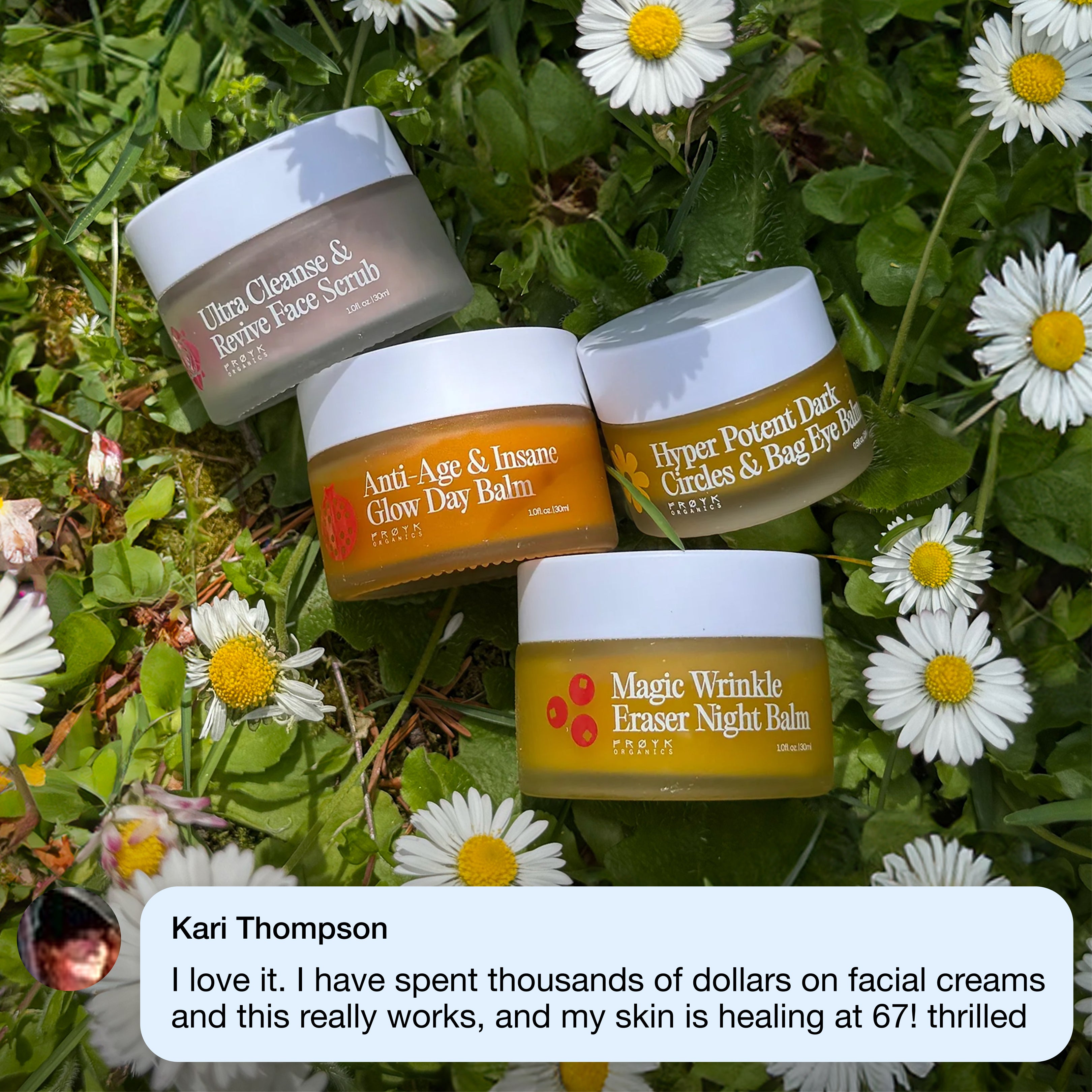
Aufgebaut rund um Sanddorn und kaltgepresste Arktische Pflanzen. Wasserfreie Formeln, die versiegeln statt verdunsten, ausgewählt für den Barriere-Histamin-Nerven-Stack, der Juckreiz in den Wechseljahren antreibt.
Zum System- Frauen, die eine HRT vermeiden
- Die am besten wissenschaftlich belegte pflanzliche Option
- Barriere- und Schleimhautreparatur
- Sie Blutverdünner einnehmen (leichte gerinnungshemmende Wirkung)
- Sprechen Sie zuerst mit Ihrem Arzt
5. Ergänzen Sie Quercetin, um die Histamin-Schleife zu beruhigen
Wenn Ihr Juckreiz mit wahllosen Quaddeln, plötzlichem Erröten oder Schüben nach Rotwein und gereiftem Käse einhergeht, laufen Ihre Mastzellen aus.
Östrogen und Histamin bilden eine wechselseitige Schleife. Östrogen stimuliert die Histaminausschüttung der Mastzellen. Zudem baut Östrogen DAO ab, das Darmenzym, das Histamin abbaut. Da der Östrogenspiegel in der Perimenopause stark schwankt, gerät die Schleife aus dem Gleichgewicht, und Ihre Haut zahlt den Preis dafür. Das klassische Anzeichen: Juckreiz, der sich mit 40 vor der Periode verschlimmert und dann eskaliert, sobald der Zyklus unregelmäßiger wird.
Quercetin ist ein pflanzliches Flavonoid, das die Membranen der Mastzellen stabilisiert. Weniger Zellen degranulieren, weniger Histamin erreicht die Nervenenden Ihrer Haut, und der Juckreiz lässt nach.
So wenden Sie es an:
- 500 mg zweimal täglich zu einer Mahlzeit. Kombinieren Sie es mit Bromelain für eine bessere Aufnahme
- Ergänzen Sie 250 mg Vitamin C. Beide wirken synergetisch für die Stabilität der Mastzellen
- Rechnen Sie mit 4 bis 6 Wochen, um die Wirkung zu beurteilen. Quercetin wirkt langsam aufbauend, nicht sofort. Bleiben Sie konsequent dabei
- Halten Sie sich in Schubwochen an eine histaminarme Ernährung. Verzichten Sie auf gereiften Käse, Rotwein, fermentierte Lebensmittel und gepökeltes Fleisch
6. Gehen Sie die Verbindung zwischen Cortisol und Juckreiz an
Stress fühlt sich nicht nur wie juckende Haut an. Er erzeugt juckende Haut.
Klinische Studien zeigen, dass erhöhtes Cortisol den transepidermalen Wasserverlust messbar steigert und die Synthese neuer Barriere-Lipide in Ihrer Epidermis beeinträchtigt. Übersetzt heißt das: In jeder stressigen Woche schwächt sich Ihre Barriere ab, und die Ceramide brauchen länger, um sich wieder aufzubauen. Cortisol verstärkt zudem die Mastzellaktivierung, was bedeutet, dass eine stressige Woche zusätzlich zum Barriereverlust noch Histaminausschüttung obendrauf packt.
In den Wechseljahren, wenn die grundlegende Barrierefunktion bereits beeinträchtigt ist und Östrogen die HPA-Achse nicht mehr abpuffert, sind chronische Cortisol-Spitzen verheerend für die Haut. Der Rückgang des Progesterons verschärft das noch, da Progesteron normalerweise die Cortisol-Reaktion dämpft.
Fünf wissenschaftlich fundierte Cortisol-Hebel, auf die ich mich verlasse:
- 20-minütiger Morgenspaziergang im Tageslicht. Das setzt die Cortisol-Kurve stärker zurück als jedes Nahrungsergänzungsmittel
- Fünf tiefe Bauchatemzüge in dem Moment, in dem Stress aufkommt. Die Aktivierung des Vagusnervs kappt die Spitze, bevor sie sich aufbaut
- Koffein-Stopp um die Mittagszeit. Die Halbwertszeit ist wichtiger als die Gesamtmenge
- Konstantes Schlaffenster. Schon 30 Minuten Abweichung stören den Cortisol-Rhythmus
- Magnesiumglycinat, 200 bis 400 mg vor dem Schlafengehen
- L-Theanin, 200 mg, an besonders stressigen Nachmittagen. Dämpft Cortisol, ohne zu sedieren
7. Formikation erkennen: Wenn sich Juckreiz wie kriechende Insekten anfühlt
Wenn Sie schon einmal um 3 Uhr nachts Ihre Bettwäsche überprüft haben, überzeugt davon, dass etwas auf Ihnen kriecht, gibt es dafür einen Namen, es ist real, und Sie verlieren nicht den Verstand.
Formikation ist eine neuropathische Empfindung: das prickelnde, kriechende, beißende Gefühl, ohne dass sich tatsächlich etwas auf Ihrer Haut befindet. Sie betrifft bis zu 20 % der Frauen mittleren Alters, erreicht ihren Höhepunkt in der späten Perimenopause um die letzte Menstruation herum und hat eine echte neurologische Komponente. Es ist nicht „nur“ Juckreiz, und es ist keine Angststörung.
Östrogen moduliert die Sensibilität peripherer Nerven über dünne Nozizeptorfasern. Sinkt der Östrogenspiegel, feuern die Nervenenden fehlerhaft, und Ihr Gehirn interpretiert dieses Fehlfeuern als Bewegung auf Ihrer Haut.
Was hilft:
- Setzen Sie zuerst auf die vorherigen sechs Strategien. Barriere- und Histaminarbeit lindern den oberflächlichen Auslöser, der oft zusammen mit der Nervensignalisierung auftritt
- Fragen Sie bei schweren Fällen Ihren Arzt nach Gabapentin oder Pregabalin. Niedrig dosierte, gezielt auf Neuropathien wirkende Verschreibungen gibt es genau aus diesem Grund
- Magnesiumglycinat, 200 bis 400 mg pro Nacht, unterstützt die Beruhigung der Nerven
- Eine kühle Gewichtsdecke kann die Empfindungsschleife lange genug unterbrechen, um einzuschlafen
- Es einen Namen zu geben, ist wichtig. Studien zeigen, dass die Benennung von Symptomen die Belastung unabhängig von der Behandlung verringert
8. Kennen Sie den Zeitrahmen und wissen Sie, wann Sie einen Arzt aufsuchen sollten
Die ehrliche Antwort, die Ihnen niemand gibt: Das kann Jahre dauern. Aber es spricht auf ein echtes Protokoll an, und der Zeitrahmen ist vorhersehbarer, als es sich um 2 Uhr nachts anfühlt.
Die Perimenopause selbst dauert 4 bis 10 Jahre. Juckreiz hält oft über die Menopause hinaus an und bleibt die häufigste Hautbeschwerde bei Frauen ab 65 Jahren. Die meisten Frauen sehen innerhalb von 8 bis 12 Wochen konsequenter Barriere- und Histaminarbeit eine spürbare Verbesserung. Rechnen Sie damit, dass das Nachtprotokoll (Punkt 2) innerhalb einer Woche als Erstes wirkt. Sanddorn und Quercetin sind Maßnahmen für 8 bis 12 Wochen, keine Soforthilfe über Nacht. Formikation kann länger dauern.
Nicht jeder Juckreiz ist „nur die Wechseljahre“. Suchen Sie Ihren Arzt auf, wenn Sie eines der folgenden Anzeichen bemerken:
- Juckreiz mit sichtbarem Ausschlag, Blasen oder Gelbsucht
- Unbeabsichtigter Gewichtsverlust zusätzlich zum Juckreiz
- Juckreiz, der auf einen Bereich begrenzt ist und nicht abklingt
- Schwere Schlafstörungen, die nach zwei Wochen im Protokoll anhalten
- Wärme, Eiter oder sich ausbreitende Rötung durch das Kratzen
- Angst oder Depression, ausgelöst durch chronischen Juckreiz
- Sie über Monat drei eines konsequenten Protokolls hinaus sind
- Sie eine allmähliche Verbesserung sehen
- Nächtlicher Juckreiz die Hauptbeschwerde ist
- Keine systemischen Symptome zusätzlich zum Juckreiz auftreten