 Account



If you’ve been told coconut oil for skin is a miracle, then heard the same week it will wreck your face, you’re not imagining the contradiction. Both camps are half right. Neither answer is written for skin over 45.
Mature skin behaves differently. It holds less water, rebuilds collagen slower, and reacts to ingredients in ways it didn’t at 30. In a four-week clinical study on dry skin over 40, coconut oil produced a 148.89% increase in hydration and a 36.97% drop in transepidermal water loss. Real numbers. Real skin.
The honest answer is that three different coconut oils exist (virgin, refined, fractionated), and each belongs in a different part of your routine. Below, I’ll show you where it works (body, dry mature skin), where it backfires (breakout-prone skin, seborrheic dermatitis), and the lauric acid and collagen connection most articles skip.
What Coconut Oil Actually Does on Mature Skin
Around 45, your skin stops doing two things it used to do automatically. It stops holding water the way it did. And it stops rebuilding collagen on its own schedule.
The reasons are mechanical, not mysterious. Estrogen decline means thinner epidermis, fewer ceramides, reduced sebum. The lipid matrix that kept moisture in develops gaps. Transepidermal water loss climbs. Barrier recovery slows. Your skin’s barrier literally gets leakier. That’s why the same face cream that worked at 38 stops being enough at 48.
This is where coconut oil’s fatty acid profile matters. Virgin coconut oil is roughly 46% lauric acid, 18.5% myristic, 9.5% palmitic, 7.5% caprylic, and 6% capric. Those medium-chain fatty acids slot into gaps in a compromised barrier, sealing water in from above while the skin repairs underneath. In the four-week study, hydration rose 100.36% by week two and 148.89% by week four. Transepidermal water loss dropped 27.70% at week two and 36.97% by week four. A 2004 Dermatitis paper (Agero and Verallo-Rowell) found coconut oil outperformed mineral oil for mild-to-moderate xerosis, improving both hydration and skin surface lipid levels.
Everything above is true for the body. Facial skin is thinner, more reactive, and carries a longer list of concerns. As one OB/GYN put it, “The solution for aging skin isn’t another cream, it’s about feeding the skin what time has taken away.” Before choosing where to put it, you need to know which kind you’re buying.
Virgin vs Refined vs Fractionated: The Type Question Everyone Gets Wrong
Three kinds of coconut oil sit on the shelf, and they’re genuinely different products, not just different marketing.
Virgin coconut oil is cold-pressed from fresh coconut meat. It’s solid below 76°F and melts on contact with skin. It keeps the full fatty acid profile, including that 46% lauric acid, the active doing most of the collagen-supporting and antimicrobial work. It retains polyphenols and vitamin E from the whole coconut. Most clinical research uses this version. Best for: body moisturizing, deep nourishment on dry mature skin, layering with peptide serums. Downside: comedogenic rating of 4 out of 5, which matters if your face breaks out.
Refined coconut oil comes from dried copra, usually bleached and deodorized. It keeps most of the fatty acids but loses the antioxidants from the fresh fruit. It’s a cooking oil. For skincare, there’s no reason to choose it over virgin.
Fractionated coconut oil is a different product. Manufacturers remove the long-chain fatty acids (including all the lauric acid), leaving only C8 caprylic and C10 capric triglycerides. The result stays liquid at room temperature. It’s colorless, odorless, with a shelf life of two to three years versus virgin’s one to two. Its comedogenic rating is much lower because the heavier pore-clogging chains have been removed. One formulator calls it a “team player oil, an excellent carrier, not the star.” It’s the right pick for diluting essential oils (1–3% dilution for adults), facial use on oily or acne-prone skin, massage, and gentle oil cleansing. Trade-off: no lauric acid means no collagen-supporting or antimicrobial lift.
Where Coconut Oil Belongs in Your Routine: A Skin Type Decoder
The right question isn’t whether coconut oil is good for your skin. It’s which part of your skin, and which oil in your cabinet it actually beats.
For mature body skin (crepey forearms, dry shins, post-shower tightness), virgin coconut oil is hard to beat. The hydration and barrier-repair data I cited earlier was taken on body skin, and it holds up in real life. Press it into damp skin after a shower. Use it as shaving prep. Keep a small jar for elbows, knees, heels. Caveat: if you have keratosis pilaris or body breakouts on chest or back, dial back in those zones or switch to fractionated there. Below the neck, virgin coconut oil earns its reputation.
Face is where the blanket statement falls apart. Dry mature skin with no breakout history can often use virgin at night, thinly, as an occlusive over a water-based serum. Combination or breakout-prone skin is a gamble with virgin; fractionated is safer, though it’s a carrier rather than a treatment. If you have seborrheic dermatitis or dandruff, avoid virgin entirely. Its lauric acid feeds Malassezia, the yeast driving those flares. For most women over 45, coconut oil is a body ingredient first, a face ingredient second, a treatment ingredient rarely.
How does it stack up against other oils? Argan is lighter, higher in vitamin E, and a PMC review puts it ahead of coconut oil for dry, mature, or fatigued facial skin, especially for elasticity and barrier restoration. Jojoba mimics your own sebum, absorbs fast, and is gentler on mature skin that still breaks out. Coconut oil’s real lane is body moisture, lauric acid for collagen support, and carrier duty for essential oils or peptides. It isn’t the best facial oil for firmness and elasticity.
If you’re over 45 and buying one jar, buy virgin, use it on your body, and leave your face to argan or jojoba.
The Comedogenic Scale, Honestly Explained
You’ve seen coconut oil called comedogenic, rated 4 out of 5 on a scale most articles never bother to explain.
The scale runs from 0 (won’t clog pores) to 5 (very likely to). Dr. James Fulton, a dermatologist researching acne, developed it. Original tests applied ingredients at 100% concentration to rabbit ear skin, then looked for follicular plugging. That method tells you what an ingredient can do in a worst-case test. It does not tell you what a finished skincare product will do on a specific human face, especially one in perimenopause or post-menopause with drier, less oil-producing skin.
A rating of 4 out of 5 is not a universal red flag. Concentration matters. Formulation matters. Skin type matters most. Dry, non-acne-prone mature skin often tolerates virgin coconut oil that would send an oily 20-year-old straight into a breakout. As one esthetician puts it, “The comedogenic scale is not a strict law. Concentration, formulation, and skin type all matter.” Fractionated coconut oil sits much lower precisely because the longer-chain fatty acids (the suspected pore-cloggers) have been removed.
Here’s how to actually use this. On the body, the 4 out of 5 rating is essentially irrelevant for most people. Use virgin freely. On the face, any history of breakouts, blackheads, or milia means don’t gamble with virgin. Go fractionated, or switch oils entirely. If you’ve used virgin on your face for years without a problem, the scale isn’t telling you anything your skin isn’t already showing you.
Lauric Acid and the Collagen Connection
Here’s the part most articles leave out: the 46% of coconut oil that’s lauric acid doesn’t just moisturize. It talks to your fibroblasts.
Lauric acid is a medium-chain fatty acid (C12) making up nearly half of virgin coconut oil. Research links it to increased collagen production and skin cell regeneration, with measurable improvements in skin collagen content and elasticity in topical studies. The proposed mechanism is fibroblast support. Fibroblasts are the dermis cells that build the collagen and elastin scaffolding your skin sits on. Lauric acid appears to keep them active, while contributing the antimicrobial properties coconut oil is known for.
Why does this matter more after 45? Collagen production drops roughly 30% in the first five years after menopause. Anything that nudges fibroblasts in a positive direction becomes more valuable than it was at 30. I want to be honest, though. Coconut oil is not a retinoid. It doesn’t remodel skin at the same depth or intensity as a prescription active. What it does is maintain the collagen you already have, support the barrier, and act as a carrier for deeper actives. The OB/GYN I quoted earlier fits here precisely: coconut oil’s MCFAs “act as a natural carrier, softening the outer layer of skin and allowing peptides to reach the deeper tissues where collagen formation actually occurs.”
The practical takeaway: use virgin coconut oil in a supporting role, not as the lead. Layer it over, or blend it with, a peptide serum, a vitamin C, or a retinol (the last at night, on alternating evenings, knowing oil can slow penetration).
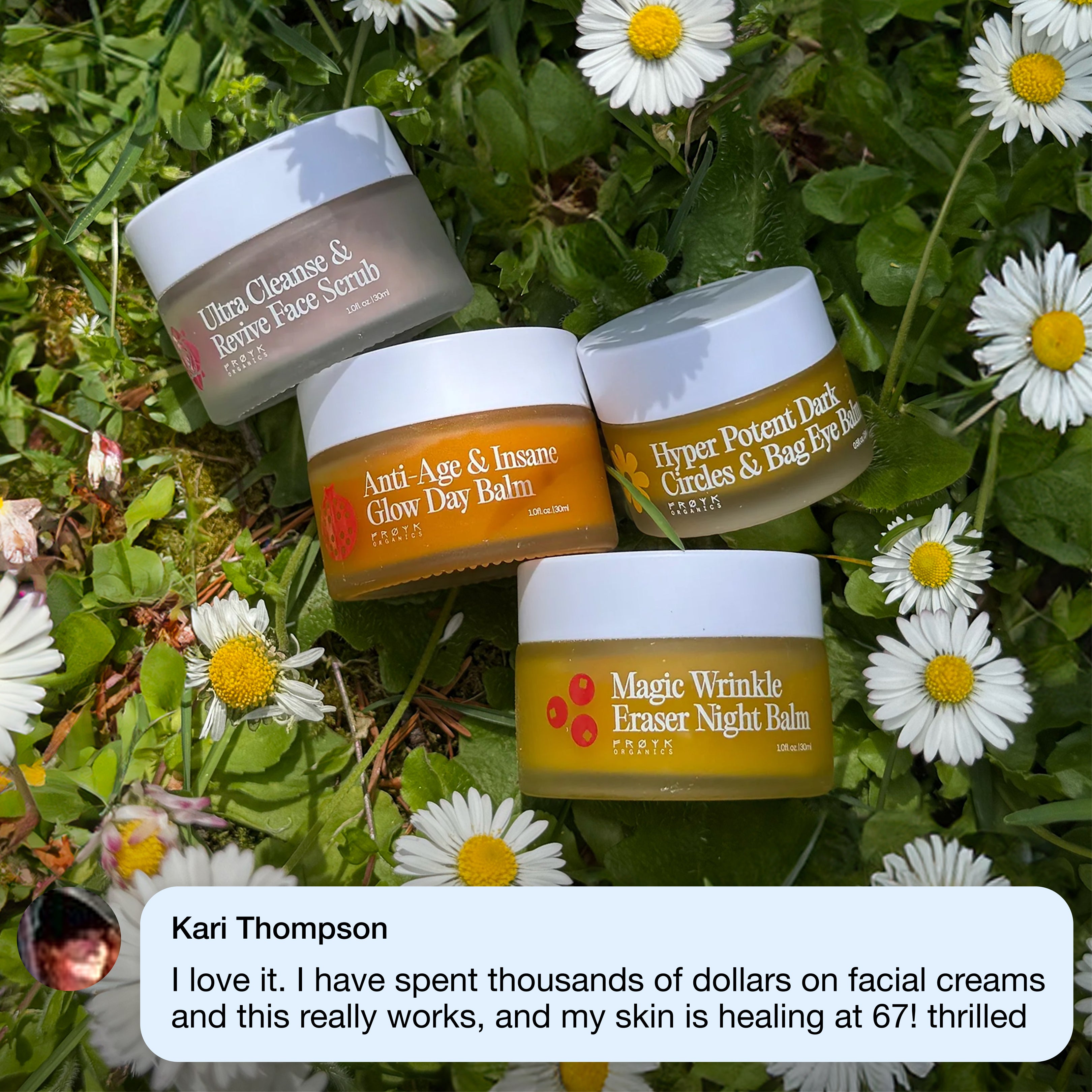
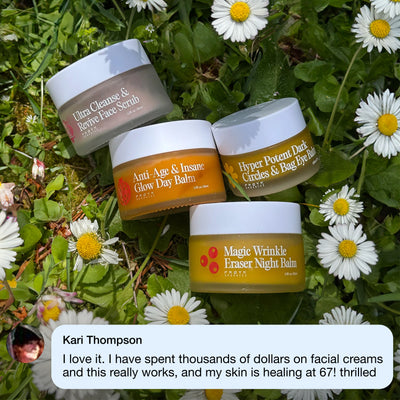
100% botanical actives. Sea buckthorn as the foundation. Zero water, zero synthetic preservatives. Rated 4.66/5 from 3,152+ reviews. 60-day money-back guarantee.
Shop the System - $119How to Use Coconut Oil After 45: A Practical Playbook
Now you know what to buy. Here’s how to actually use it. Four routines worth your time, and a few that sound good but aren’t.
1. The damp-skin body routine. Pat skin damp (not dry) after your shower. Warm one to two teaspoons of virgin coconut oil between your palms until it melts. Press and smooth over arms, legs, torso, shins, elbows, decolletage. For very dry legs, blend with a few drops of castor oil for slip and staying power. Damp skin matters because you’re locking a thin layer of water into the barrier, not coating dry skin with grease. Frequency: nightly in winter, two or three times a week in summer.
2. The peptide-delivery mask. Once or twice a week, mix one teaspoon of virgin coconut oil with half a teaspoon of peptide serum in your palm. Warm it. Apply to clean skin. Leave on 15 minutes, then tissue off the excess. Do not rinse. Best for dry mature skin with no active breakouts. If your face breaks out easily, swap virgin for fractionated. You’ll lose the lauric acid benefit but keep the carrier effect.
3. The fractionated-oil carrier blend. For essential oils, dilute at 1–3% for adult skin. The math: 1% is roughly 6 drops of essential oil per ounce of fractionated coconut oil; 3% is about 18 drops. Use the lower end for facial blends and sensitive skin. Fractionated is also excellent as the oil in an oil cleanse, or the first step of a double-cleanse for nightly makeup removal.
4. What to skip. Don’t use virgin coconut oil as a daytime facial moisturizer under sunscreen. It’s too occlusive and can cause SPF to pill. Don’t treat it as a substitute for retinol or vitamin C. It’s a partner, not a replacement. And don’t apply it to seborrheic dermatitis or dandruff-prone scalps or brows. The lauric acid feeds Malassezia and worsens flares.
Start with the damp-skin body routine this week. Highest yield, lowest risk, fastest read on whether your skin likes coconut oil at all.